



Arthroplasty Manufacturers
Arthroplasty manufacturers are increasingly evaluated by African hospitals according to their ability to support complete hip and knee replacement programs rather than simply provide implants. Hospitals want manufacturers that can protect surgical schedules, maintain product availability, support instrument readiness, and create a dependable framework for long term cooperation.
Arthroplasty manufacturers must also understand that hospital agreements are built around operational confidence. Procurement committees may initially review product specifications, pricing, and documentation, but the final decision often depends on whether the manufacturer can support stable weekly procedures without repeated stock shortages, incomplete instrument sets, or unclear responsibilities.
Ortonom Medical focuses on hip and knee arthroplasty systems for hospitals, orthopedic specialists, healthcare groups, and distribution partners across Africa. Its product portfolio is designed to support structured arthroplasty programs in markets including South Africa Gauteng, Morocco, Algeria, Egypt, Nigeria, Ghana, Kenya, Tanzania, Libya, Gabon, Senegal, Namibia, Cameroon, Guinea, DRC, and Côte d’Ivoire.
Why hospitals choose arthroplasty partners instead of product suppliers
Hospitals rarely search for arthroplasty manufacturers because they need a single implant. They are usually searching for a reliable partner capable of supporting an ongoing surgical program. This distinction is important because the needs of a hospital continue after the initial order has been delivered.
A product supplier may complete a shipment, but an arthroplasty partner must help maintain continuity. Hospitals need dependable replenishment, clear product pathways, instrument management, documentation support, and defined escalation procedures. These areas influence whether surgical lists remain protected over time.
African hospitals that are expanding orthopedic services need manufacturers that understand program growth. The hospital may begin with a limited number of primary cases and later increase monthly volume, add revision capability, or expand the same system into additional facilities. Manufacturers that can support this progression are more attractive candidates for long term agreements.
Building direct agreements with African hospitals
Hospital agreements in Africa are usually influenced by clinical, financial, and operational decision makers. Orthopedic surgeons may focus on product suitability and workflow. Procurement teams evaluate cost structure, documentation, traceability, and availability. Operating theatre leaders want consistent scheduling, while sterile services teams need predictable instrument handling.
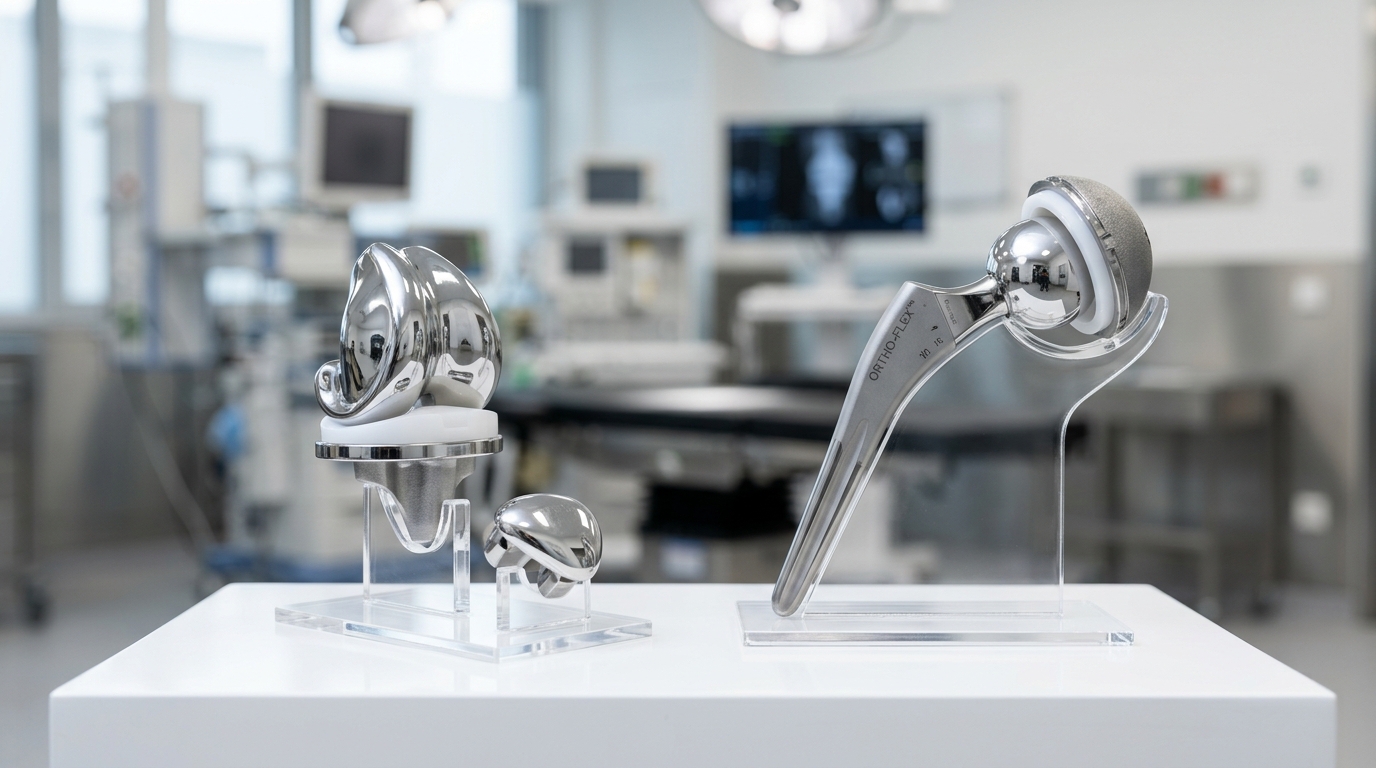
Arthroplasty manufacturers must therefore present a complete partnership proposal. A hospital should be able to understand which systems are available, how implants will be stocked, how instruments will be managed, and how urgent requirements will be addressed. A clear proposal reduces uncertainty and makes internal approval easier.
Ortonom Medical aims to build structured relationships with private hospitals, healthcare organizations, orthopedic centers, and multi site hospital groups. The objective is not limited to completing product sales. The objective is to create stable hip and knee arthroplasty programs supported by supply continuity, product education, and measurable operating routines.
| Hospital decision area | Primary concern | Manufacturer responsibility |
|---|---|---|
| Clinical evaluation | Product pathway and system confidence | Present focused hip and knee solutions |
| Procurement | Price documentation and availability | Provide clear terms and supply planning |
| Operating theatre | Reliable surgical scheduling | Support instrument and implant readiness |
| Sterile services | Tray handling and completeness | Define inspection and escalation routines |
| Hospital management | Program sustainability | Offer a scalable partnership model |
Ortonom Medical hip systems for hospital arthroplasty programs
A strong hip arthroplasty portfolio should support different clinical pathways while helping hospitals maintain standardized operating routines. Hospitals often prefer working with a focused manufacturer because fewer product platforms can make training, stock control, and instrument management easier.
Ortonom Medical’s hip portfolio includes OrtoHip Bipolar Hip System, OrtoHip K2 Revision Hip System, and OrtoHip Total Hip System. These systems allow hospitals to evaluate a structured product range for bipolar, total hip, and revision pathways.
OrtoHip Bipolar Hip System can be introduced as part of a focused hip program for hospitals that require a defined bipolar solution. OrtoHip Total Hip System supports total hip arthroplasty pathways, while OrtoHip K2 Revision Hip System strengthens program continuity when revision capability becomes part of the hospital’s strategy.
The three systems give hospitals a clearer basis for long term planning. Instead of evaluating unrelated products from multiple sources, decision makers can review a coordinated hip portfolio within one manufacturer relationship.
Ortonom Medical knee systems for structured surgical services
Knee arthroplasty programs require more than implant availability. They depend on consistent workflows, complete instrumentation, controlled stock levels, and clear pathways for primary and revision cases. Hospitals that want to grow their knee replacement services must consider all of these areas during manufacturer selection.
Ortonom Medical’s knee portfolio includes OrtoKnee Fixed Knee System, OrtoKnee Revision Knee System, and OrtoKnee Mobile Knee System. The range supports hospitals that want to evaluate fixed, mobile, and revision pathways within a focused product family.
OrtoKnee Fixed Knee System can support hospitals seeking a structured fixed knee pathway. OrtoKnee Mobile Knee System adds another primary knee option, while OrtoKnee Revision Knee System enables hospitals to discuss future revision readiness without moving to an entirely separate manufacturer.
Together, the OrtoHip and OrtoKnee portfolios allow Ortonom Medical to approach hospitals with a complete arthroplasty partnership. This is especially valuable for healthcare groups that want to standardize both hip and knee services across several facilities.
Ortonom Medical product portfolio
- OrtoHip Bipolar Hip System
- OrtoHip K2 Revision Hip System
- OrtoHip Total Hip System
- OrtoKnee Fixed Knee System
- OrtoKnee Revision Knee System
- OrtoKnee Mobile Knee System
Regional priorities in African arthroplasty markets
African healthcare markets should not be approached with one generic strategy. Hospitals in different regions may face different procurement structures, logistics conditions, reporting requirements, and growth priorities. Successful arthroplasty manufacturers connect their partnership model to these local realities.
In South Africa Gauteng and Namibia, operating schedule protection and rapid response may carry significant weight. In Morocco, Algeria, Egypt, and Libya, documentation discipline, traceability, and standardized reporting can strongly influence procurement decisions. Hospitals in these markets may expect detailed processes before moving toward an agreement.
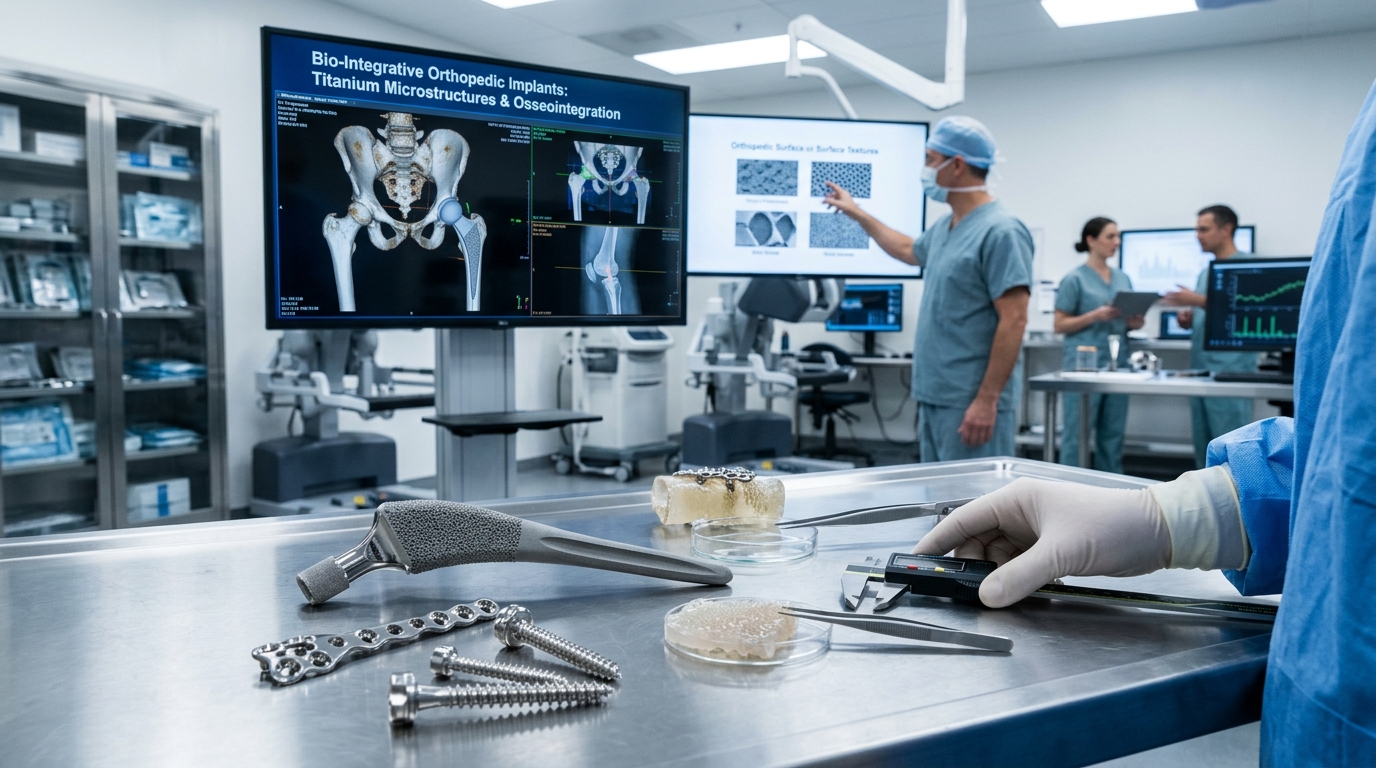
Nigeria, Ghana, Senegal, Côte d’Ivoire, and Guinea represent important West African markets where private hospital growth and increasing procedure volume can create demand for scalable arthroplasty partnerships. Kenya and Tanzania also offer opportunities for hospitals that are expanding orthopedic services and need structured product availability.
Cameroon, DRC, and Gabon require manufacturers and partners capable of maintaining continuity under more demanding supply conditions. In these countries, predictable communication, clear replenishment planning, and realistic stock strategies may become major factors in building trust.
| African region | Priority countries | Typical partnership requirement |
| Southern Africa | South Africa Gauteng and Namibia | Schedule protection and rapid support |
| North Africa | Morocco Algeria Egypt and Libya | Documentation governance and traceability |
| West Africa | Nigeria Ghana Senegal Côte d’Ivoire and Guinea | Scalable availability and program growth |
| East Africa | Kenya and Tanzania | Readiness for expanding orthopedic services |
| Central Africa | Cameroon DRC and Gabon | Continuity and predictable execution |
Supply planning that protects hospital operating lists
One of the most important responsibilities of arthroplasty manufacturers is helping hospitals prevent avoidable procedure disruption. If a core implant size is unavailable, the hospital may need to postpone a case, change the surgical plan, or seek an emergency alternative. Each of these situations reduces confidence in the partnership.
A stable supply model begins with expected case volume. The hospital and manufacturer should review which hip and knee systems will be used, which sizes are likely to move most frequently, and how much inventory is required to protect planned lists. This creates a practical foundation for minimum stock levels and reorder points.
Replenishment should follow actual consumption and forecasted demand. A hospital performing a small number of cases requires a different model from a multi site group with weekly arthroplasty lists. Arthroplasty manufacturers that offer flexible but controlled planning can support both types of organizations.
Supply planning should include the following elements:
- Core product and size definitions
- Minimum stock levels
- Usage based reorder points
- Planned replenishment frequency
- Expiry and packaging integrity checks
- Urgent request procedures
- Monthly stock and activity reviews
Instrument readiness as a condition of hospital confidence
Implants cannot be separated from instruments in a functioning arthroplasty program. Hospitals may have the required components in stock, but a case can still be delayed if instrument trays are incomplete, damaged, incorrectly prepared, or unavailable at the required time.
Arthroplasty manufacturers and their local partners should define clear instrument readiness procedures. Tray contents should be easy to verify. Missing or damaged items should be reported quickly. The hospital should know who is responsible for resolving each problem before the next operating list.
Sterile services teams are central to this process. They need clear information about tray organization, inspection points, handling, and reprocessing. When sterile services teams are comfortable with the system, the entire program becomes more stable.
Instrument discipline also supports surgeon confidence. Orthopedic specialists want to work with systems that are prepared consistently. Reliable instruments reduce unnecessary distractions and allow the surgical team to focus on the procedure.
Documentation and traceability in long term agreements
Documentation is a major component of hospital procurement. Clinical decision makers may begin with product evaluation, but formal agreements usually require clear records, product information, usage documentation, and traceability procedures.
Arthroplasty manufacturers should provide documentation in a structured and accessible way. Hospitals need to know which product version is being used, how lots are recorded, and how usage data will be maintained. Clear documentation also makes internal audits and inventory reviews easier.
Traceability should not create unnecessary administrative burden. The strongest systems are simple enough for hospital teams to follow during daily operations while still providing the information required by management and procurement.
For hospital groups operating across multiple locations, consistent documentation is even more important. Standardized records allow management to compare performance, monitor inventory, and maintain the same operating model across facilities.
Supporting adoption through focused clinical education
Hospitals value manufacturers that can support product adoption without creating unnecessary disruption. Clinical education should remain focused on the OrtoHip and OrtoKnee systems, associated workflows, instrumentation, and readiness routines.
Initial orientation can help surgeons, operating theatre teams, and sterile services understand how the selected system fits into the hospital’s program. This stage should establish common terminology, responsibilities, and preparation steps.
Early case support can then help the hospital stabilize its routines. The objective is not to replace the hospital’s clinical leadership. The objective is to help teams use the selected systems consistently and identify operational issues before procedure volume increases.
Continuity education is also useful when teams change or new sites are added. Short refresher sessions can protect standardization and reduce the risk of different departments developing conflicting routines.
| Education stage | Participants | Main objective |
| Program introduction | Surgeons procurement and theatre leaders | Establish the complete partnership model |
| Product orientation | Surgical and sterile services teams | Explain systems and preparation routines |
| Early program support | Core operating team | Stabilize the first period of use |
| Continuity review | Existing and rotating teams | Maintain consistency as the program grows |
From initial evaluation to a signed hospital partnership
The route to a hospital agreement should be structured. The first stage is to understand the hospital’s existing or planned arthroplasty program. This includes monthly case volume, current hip and knee pathways, preferred supply structure, and whether the agreement will cover one facility or several sites.

The next stage is to match the Ortonom Medical portfolio to the hospital’s objectives. A hospital may initially focus on primary hip and knee systems, while another organization may require revision readiness from the beginning. The proposal should reflect the actual program instead of presenting every option without context.
The manufacturer and hospital should then agree on operational responsibilities. Stock ownership, usage reporting, replenishment, instrument checks, escalation contacts, and performance reviews should be clearly defined before implementation.
A well prepared agreement gives both parties measurable expectations. It allows the hospital to evaluate performance and gives the manufacturer or distribution partner a clear framework for support. This creates stronger conditions for long term cooperation.
Why hospitals can consider Ortonom Medical
African hospitals evaluating arthroplasty manufacturers need a partner with a clear product focus. Ortonom Medical concentrates on hip and knee systems instead of presenting an unrelated general medical catalog. This focus helps keep discussions relevant to orthopedic surgery and arthroplasty program development.
Its OrtoHip and OrtoKnee portfolios allow hospitals to review primary, bipolar, mobile, fixed, and revision pathways within a structured manufacturer relationship. This can simplify product evaluation, supply planning, education, and long term standardization.
Ortonom Medical also positions hospital cooperation as an ongoing program rather than a single transaction. Availability, documentation, instrument readiness, and communication are treated as essential components of the relationship.
Hospitals, healthcare organizations, orthopedic specialists, and local partners in the target African markets can use this approach to build arthroplasty services that are more predictable and easier to manage.
Arthroplasty manufacturers win hospital agreements in Africa by proving that they can support complete hip and knee programs. Product quality remains important, but hospitals also require stable supply, prepared instrumentation, clear documentation, traceability, training support, and defined operational responsibilities.
Ortonom Medical supports these requirements through OrtoHip Bipolar Hip System, OrtoHip K2 Revision Hip System, OrtoHip Total Hip System, OrtoKnee Fixed Knee System, OrtoKnee Revision Knee System, and OrtoKnee Mobile Knee System.
For hospitals across South Africa Gauteng, Morocco, Algeria, Egypt, Nigeria, Ghana, Kenya, Tanzania, Libya, Gabon, Senegal, Namibia, Cameroon, Guinea, DRC, and Côte d’Ivoire, Ortonom Medical offers the foundation for focused arthroplasty cooperation. The objective is to create stable hospital agreements that protect surgical continuity and support long term hip and knee program growth.