



Orthopedic Specialist Consignment Program
An Orthopedic specialist consignment program is one of the most practical ways for hospitals and healthcare organizations to expand orthopedic capacity without overloading capital budgets or risking stock gaps. In many African markets, knee and hip case volumes are rising, surgeon expectations are tightening, and patients are increasingly comparing outcomes and service levels across providers. In that environment, implant availability, instrument readiness, and supply continuity can decide whether a hospital grows orthopedics smoothly or stalls due to delays and cancellations.
A well designed Orthopedic specialist consignment program places implant inventory and, when appropriate, instrument sets closer to the point of care, while aligning ownership, replenishment, and accountability rules between the hospital and the supplier. Done right, consignment is not “free stock.” It is a disciplined operating model that stabilizes theatre schedules, reduces emergency procurement, improves case readiness, and supports predictable clinical delivery. For premium African healthcare markets, where private hospital groups and advanced surgical centers aim for consistent standards across multiple sites, a mature consignment model can be a strategic advantage.

Ortonom Medical works with hospitals and healthcare partners to structure orthopedic supply models that support clinical standardization and reliable implementation. When consignment is paired with strong IFU discipline, specialist training, and instrument reprocessing clarity, hospitals gain not only access to product, but a controlled pathway to routine use.
Who this program is for
An Orthopedic specialist consignment program typically involves several stakeholders across clinical, operational, and financial roles.
Common stakeholders include:
-
Orthopedic surgeons and department leadership
-
OR managers and nursing leadership
-
Sterile services teams responsible for reprocessing and inspection
-
Procurement, finance, and hospital operations leadership
-
Private hospital groups and multi site governance teams
-
Healthcare supply partners supporting hospital networks
A strong consignment model speaks to all of them by reducing uncertainty and making responsibilities measurable.
Why consignment matters in orthopedic growth
Orthopedics is uniquely sensitive to stock and instrument readiness. One missing size, a delayed delivery, or an incomplete tray can cancel a case and waste theatre time. Traditional “buy and store” inventory strategies can tie up cash and still fail when demand shifts. Consignment offers a controlled alternative.
Hospitals benefit when they can:
-
Keep critical sizes and components available for planned cases
-
Reduce last minute purchasing and courier costs
-
Stabilize OR scheduling and surgeon confidence
-
Align inventory levels with real demand instead of forecasts alone
-
Support expansion across multiple sites with consistent supply rules
In premium African markets, these benefits often translate directly into higher patient satisfaction and stronger referral performance because surgery schedules become more reliable.
How an orthopedic consignment program works
At its core, consignment means inventory is placed at or near the hospital, but ownership remains with the supplier until the product is used. The hospital is charged when usage is recorded, and stock is replenished based on agreed rules. The program succeeds only when processes are simple, auditable, and consistent.
Key building blocks include:
-
An agreed product list and size range
-
Minimum and maximum stock levels for each item
-
Clear usage capture and billing workflow
-
Replenishment frequency and lead time commitments
-
Responsibilities for storage conditions and access control
-
Cycle counting cadence and discrepancy resolution process
-
Rules for expired stock, damaged packaging, or recalls
A mature Orthopedic specialist consignment program is designed to be predictable for the OR team and defensible for finance and procurement.
Consignment models hospitals commonly choose
Different hospitals need different levels of flexibility. The best approach is to choose a model that matches case volume and governance maturity.
| Model | Best for | What it includes | What it avoids |
|---|---|---|---|
| Core set consignment | Steady knee and hip volumes | High runner sizes and standard components | Cash tied up in slow movers |
| Procedure based consignment | Mixed case mix | Inventory aligned to scheduled cases | Stocking everything “just in case” |
| Multi site network consignment | Private hospital groups | Shared rules and reporting across sites | Site by site fragmentation |
| Hybrid model with safety stock | Growth phase programs | Core set plus limited buffer | Case cancellations from gaps |
Selecting the model is less important than governing it consistently.
What hospitals should require from a supplier
Hospitals and healthcare organizations should treat consignment as a performance contract. A supplier that is serious about premium market expectations will provide structure, reporting, and service readiness.
Minimum expectations often include:
-
A clear implementation plan with named responsibilities
-
Defined replenishment frequency and emergency delivery pathway
-
Inventory reporting that procurement can audit
-
Lot traceability and expiry tracking discipline
-
Training for staff who handle inventory capture and storage
-
Support for OR readiness, including tray completeness checks
-
Clear handling rules for returns, damaged packs, and discrepancies
Without these elements, consignment becomes friction. With them, consignment becomes a stable operating system.
What the hospital must commit to
Consignment is a partnership. The hospital’s internal discipline is a major success factor. Hospitals that win with consignment usually commit to simple, repeatable routines.
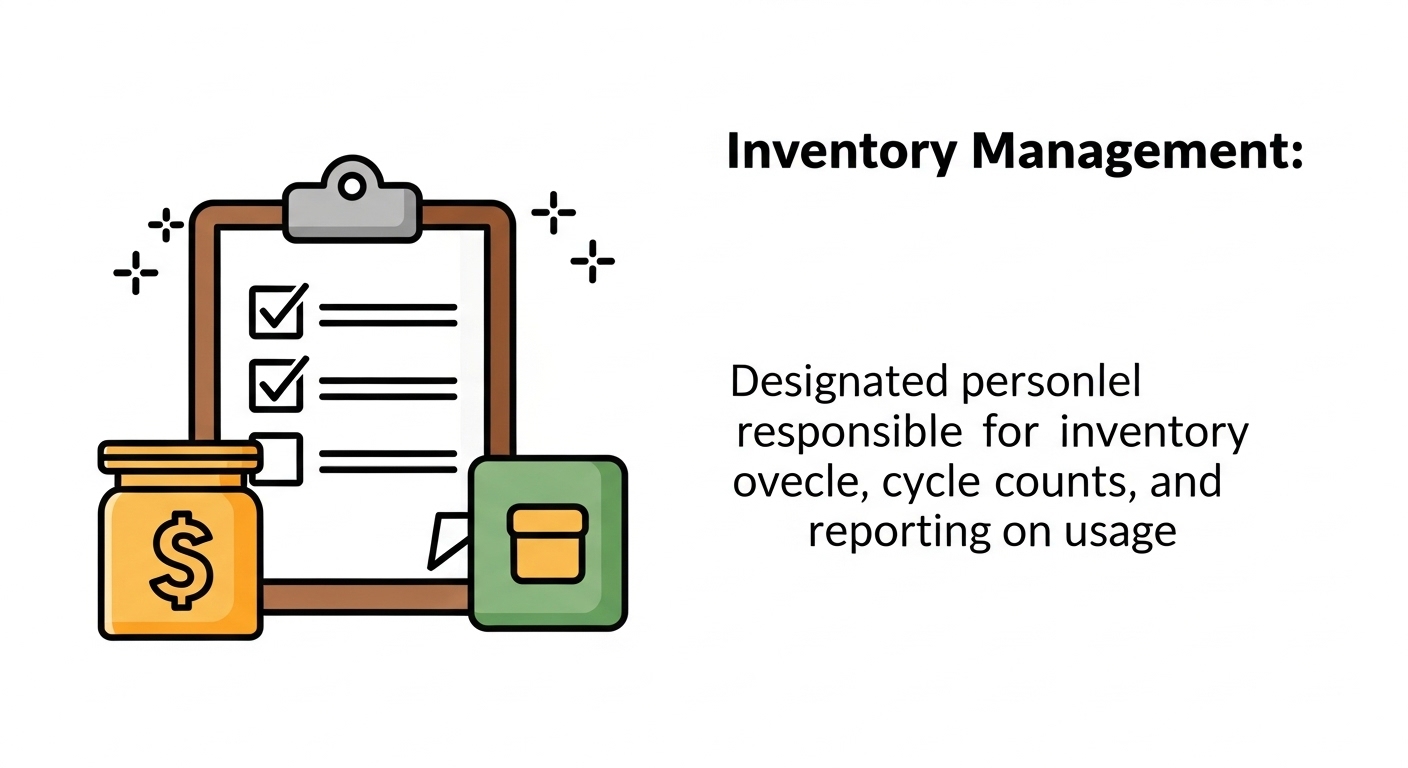
Typical hospital commitments:
-
Controlled storage access and proper environmental conditions
-
Timely usage capture aligned to actual consumption
-
Routine cycle counts and discrepancy reporting
-
First in first out practice to manage expiry
-
Clear escalation when a critical size is trending low
-
Alignment between OR, sterile services, and procurement workflows
When these habits are consistent, the program runs smoothly and suppliers can maintain service levels.
Premium African healthcare markets often combine rising clinical expectations with a practical need to manage capital carefully. Consignment supports both. It reduces the need to pre purchase wide size ranges while improving case readiness. It also helps private hospital groups standardize orthopedic delivery across sites.
High value outcomes of a well run Orthopedic specialist consignment program in these markets include:
-
Higher theatre utilization due to fewer cancellations
-
Faster growth of elective joint programs
-
Stronger surgeon confidence in availability and readiness
-
Better patient experience through predictable scheduling
-
More transparent cost tracking per procedure
-
Easier expansion to additional sites with the same rules
The difference is not the concept of consignment. The difference is execution discipline.
How Ortonom Medical supports consignment readiness
A supplier’s product range and operational maturity matter. Hospitals want confidence that the partner can support both primary cases and complex pathways without constant exceptions.

Ortonom Medical’s portfolio includes:
-
OrtoHip Bipolar Hip System
-
OrtoHip Total Hip System
-
OrtoHip K2 Revision Hip System
-
OrtoKnee Fixed Knee System
-
OrtoKnee Mobile Knee System
-
OrtoKnee Revision Knee System
This range helps support structured joint programs and long term planning. In a consignment context, it also helps align inventory design to real demand patterns, rather than forcing hospitals into ad hoc purchasing.
Recommended program structure for fast, safe implementation
A practical program setup should be simple enough for daily use and strict enough for audits.
Implementation checklist
-
Define product scope, sizes, and inclusion rules
-
Set min max levels and reorder points for each item
-
Agree on replenishment frequency and emergency response path
-
Choose a usage capture method that is fast for the OR team
-
Establish monthly reporting and quarterly reviews
-
Define discrepancy handling rules and escalation
-
Confirm storage conditions and access control
-
Align training for inventory capture and traceability
KPI dashboard hospitals should track
| KPI | What it measures | Why it matters |
|---|---|---|
| Stockout events | Items unavailable when needed | Direct driver of cancellations |
| Fill rate | % of items available as planned | Measures program reliability |
| Usage capture accuracy | Match between usage and billing | Protects trust and compliance |
| Expiry write off | Products lost to expiry | Indicates inventory design quality |
| Emergency deliveries | Unplanned urgent shipments | Signals planning gaps |
| Cycle count discrepancies | Missing or mismatched inventory | Highlights control weaknesses |
These KPIs keep both sides accountable and make the program improvable over time.
Closing perspective
A strong Orthopedic specialist consignment program is not about pushing inventory into a hospital. It is about building a predictable supply system that supports clinical growth, financial control, and consistent patient care. For African hospitals and healthcare organizations in premium markets, consignment can accelerate orthopedic expansion by reducing cancellations, improving readiness, and standardizing operations across sites.
For Ortonom Medical, the winning position is to present consignment as part of a full adoption system: disciplined inventory governance, reliable replenishment, traceability routines, and clinical readiness support. When hospitals see that structure, agreement discussions become faster because the operational risk is clearly controlled.