



Medical Equipment Distributor in Kenya
Kenya’s hospitals are standardizing surgical pathways while preserving the classic, relationship-driven way of doing business. That blend creates a clear opening for any medical equipment distributor in Kenya that can pair disciplined products with reliable service, honest logistics, and hands-on training. Ortonom Medical focuses its portfolio on orthopedic prostheses and instrument sets, so our message to committees is simple and teachable—one coherent system, supported well, and ready for repeatable outcomes. When your local access meets our manufacturing rigor, trust builds quickly and sustainably.
Demand drivers are reshaping the case mix across Nairobi, Mombasa, Kisumu, Eldoret, and Nakuru. Urbanization, trauma survivorship, sports injuries, and degenerative joint disease all lift volumes for joint reconstruction and trauma care. Administrators want fewer suppliers with stronger accountability, not longer catalogs. A medical equipment distributor in Kenya that brings standardized instrumentation, clear IFUs, and predictable replenishment will be invited back not just for tenders, but for everyday OR schedules and physician preference alignment.
Procurement leaders value documents that pass on the first submission and stock that arrives as promised. Those timeless expectations never went out of style, but today they are reinforced by dashboards, QR-coded instructions, and bilingual training media. The best medical equipment distributor in Kenya shows committees a credible path from purchase order to first case to reorder rhythm. Ortonom Medical treats dossiers, labels, and training as part of the product, not an afterthought, so you can submit once, launch once, and build momentum.
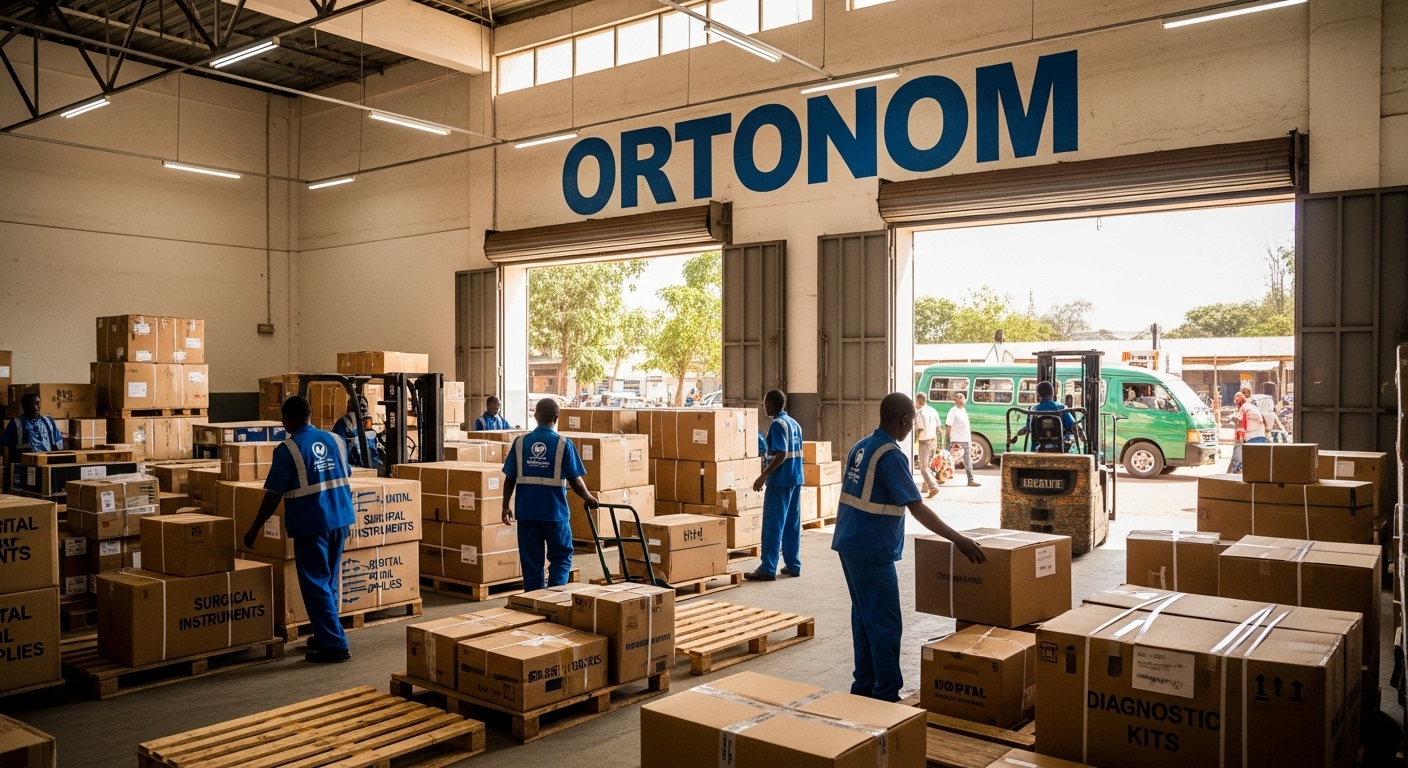
Surgeons and scrub teams want instruments that feel familiar the second time as they did the first. Turnover is frequent, and visiting surgeons are common; teachability is currency. We design implant families and instruments as one ecosystem, so steps are intuitive, trials are logical, and labels are readable under pressure. For a medical equipment distributor in Kenya, that means faster onboarding, calmer theaters, and better word-of-mouth inside hospital networks that respect tradition and reward consistency.
What Ortonom Medical brings to Kenya hospitals
Ortonom Medical keeps a tight clinical focus: orthopedic implant systems (knee and hip families) with complete instrument sets. That focus makes your offer easy for committees to understand. Surgeons see a clinical pathway; procurement sees audit-ready files; sterilization sees trays and maintenance guidance that match reality. When those three views align, medical equipment distributor in Kenya stops being a line on a vendor list and becomes a dependable program that OR managers can schedule with confidence.
Product architecture matters. Our knee system—femoral component, tibial baseplate, polyethylene insert, and patella—was validated as a family, across sizes, with trial components that make gap logic unambiguous. Our hip components are engineered for reliable fit and surface integrity, with instrumentation that supports alignment and reproducibility. When a medical equipment distributor in Kenya demonstrates a system rather than a parts bin, committee discussions move from skepticism to planning.
Documentation is a clinical tool, not just a compliance packet. We provide technical files, labels, and IFUs designed for hospital review, plus checklists that CSSD can incorporate into standard work. That reduces rework, accelerates customs clearance, and lowers the risk of “missing paperwork” delays. For a medical equipment distributor in Kenya, fewer document surprises mean faster revenue recognition, fewer escalations, and a brand associated with calm execution instead of last-minute heroics.
Enablement is continuous. Ortonom provides bilingual (EN/FR) training decks, short technique videos, and pocket checklists that staff can use between cases. We plan launch workshops, supervise first cases, and translate clinical feedback into stock signals—insert thickness clusters, patella strategy, alignment preferences—so the initial stock matrix reflects real usage. Over time, that loop becomes your signature: a medical equipment distributor in Kenya that pairs old-school presence with modern, measurable support.
Go-to-market inside Kenya’s hospital ecosystem
Kenya rewards vendors who act like partners—present in the theater, predictable at the loading bay, and professional in documentation. Start with a lighthouse hospital in Nairobi for scale and a second site in a fast-moving city (Mombasa or Eldoret) to prove repeatability. Keep the narrative local: show how your trays, sizes, and service SLAs match the hospital’s own scheduling and sterilization cadence. A medical equipment distributor in Kenya that adapts to OR rhythms wins advocates from surgeons to finance.
Stakeholder mapping is non-negotiable. List the chief surgeon, nursing lead, procurement officer, CSSD manager, and finance controller for each target site. Capture their constraints and define what “good” means to them—fewer tray rebuilds, on-time replenishment, or fewer label edits. Those notes drive your country copy, your training emphasis, and your replenishment plan. In rooms where tradition and respect carry weight, preparation reads like respect, and respect moves decisions.
Bilingual assets save time even in primarily anglophone environments. EN materials cover most clinical discussions, while FR assets can support regional collaborations and francophone staff rotations; add brief Swahili summaries for frontline logistics or patient education when helpful. A medical equipment distributor in Kenya that publishes consistent, readable materials earns fast alignment across departments that rarely sit together at once.
Use simple data to keep promises. Track instrument turnaround times, insert thickness distribution, and shelf age of slow movers. Review monthly and adjust before drift appears. When committees ask how you prevent stockouts and dead stock, show your method and the change you made after the last review. A medical equipment distributor in Kenya that can show its homework is the one invited into multi-year frameworks.
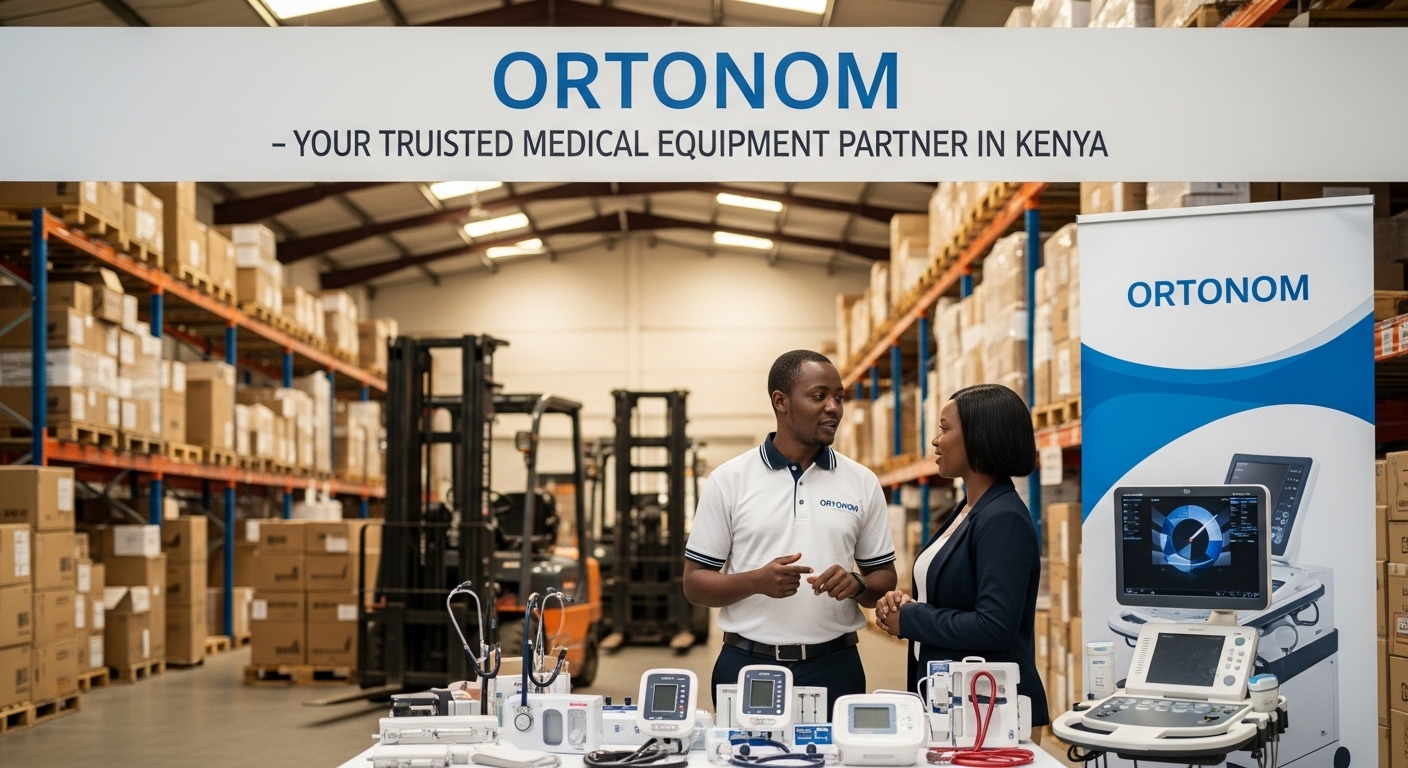
Kenya hospital and city snapshot
The table helps you sequence launches, align training calendars, and shape a starter stock matrix that matches early case cadence.
| City or Region | Typical Channels | First Focus Procedures | What Wins Quickly | Notes for Distributor |
|---|---|---|---|---|
| Nairobi | Private + public tenders | Primary knee and hip | OR presence and fast instrument turnaround | Anchor lighthouse references |
| Mombasa | Private hospitals | Knee primary familiar flows | Bilingual training and clear SLAs | Emphasize sterilization guidance |
| Kisumu | Public + NGO | Knee trauma and revision support | Reliable replenishment and calm service | Capture data to tune inserts |
| Eldoret | Teaching + private | Standardized knee pathways | Workshop cadence and supervised first cases | Strong CSSD coordination |
| Nakuru | County hospitals | Mixed orthopedic load | Documentation that passes first time | Build references for tenders |
Operations, compliance, and logistics you can keep
Procurement leaders in Kenya want two things above all: documents that pass on the first try and stock that arrives when promised. We publish conservative lead times, define what can be consigned locally, and turn early case data into reorder logic. In tender rooms, those truths are worth more than slogans. A medical equipment distributor in Kenya who under-promises and over-delivers becomes the calm option committees choose under pressure.
Compliance is ongoing, not a one-off upload. Expect audits, label tweaks, and IFU updates as hospital protocols evolve. Ortonom maintains version-controlled masters so updates flow cleanly from factory to distributor to hospital. Your regulatory manager will have a named counterpart at Ortonom—old-fashioned accountability that saves modern time. That rhythm is how a medical equipment distributor in Kenya protects deals from avoidable surprises.
Logistics should be boring in the best sense. Stage fast movers—mid sizes and common insert thicknesses—in country; rotate long-tail sizes from regional hubs. Tie reorder points to real case cadence, not optimistic forecasts. Publish those rules in your proposals and committee briefs. Over a few quarters, predictable performance becomes your brand, and competitors struggle to dislodge a medical equipment distributor in Kenya that simply keeps its word.
Service closes the loop. Quick instrument turnaround, clear incident pathways, and scheduled check-ins after early cases convert first wins into durable loyalty. Administrators remember who solved problems quickly. Surgeons remember who stood beside them in the theater. In renewals, those memories often beat a small price edge. That is why our support plans read like commitments, not aspirations.
This table clarifies who does what so public claims match day-to-day reality.
| Item | Ortonom Medical Provides | Partner Commits | Typical Timeline |
|---|---|---|---|
| Regulatory dossier | Technical files labels IFUs committee-ready | Local submission tracking attendance | 5–15 business days per package |
| Launch training | Surgeon and nurse workshops EN FR videos | Venue attendees refresher sessions | ≤ 30 days from appointment |
| Instrument readiness | Tray checklists sterilization guidance maintenance | CSSD capacity maintenance plan | Pre-launch + quarterly |
| Inventory policy | Stock matrix reorder points consignment options | Safety stock monthly reporting | At contract monthly review |
| Field support | Case shadowing remote and in person troubleshooting | Case scheduling structured feedback | First 3–6 months |
| Country copy | Bilingual brochures listing text FAQs | Localization response SLAs | Live at launch quarterly updates |
Regional expansion after Kenya (same Africa targets)
Once Kenya is stable, expand to adjacent or language-linked markets where you can reuse assets with minimal change. Keep the core story constant—teachability, documentation discipline, and reliable supply—then localize tender norms and logistics corridors. A medical equipment distributor in Kenya who proves calm execution becomes a credible regional partner within months.
Build bilingual reference packs that travel: two-page outcome summaries, OR checklists, and a one-page “spec snapshot” showing tray contents and size ladders. These artifacts reduce friction for committees that borrow confidence from Kenya’s results. Tradition still matters—peer reference moves a room faster than any brochure—so invite Kenyan surgeon champions to co-host workshops in the next market.
As you scale, upgrade dashboards rather than adding complexity to the field. Measure what matters: open cases, instrument turnaround, safety stock status, and replenishment due dates. Share the same view with hospital counterparts so everyone works from one source of truth. That transparency is an old-school courtesy delivered with modern tools, and it sustains the position you earned as a medical equipment distributor in Kenya.
Stay conservative on lead times even when lanes appear to speed up. Reliability compounds only when you hit the same promise repeatedly. When delays happen—and they will—communicate early, with a remedy plan and a revised date you can keep. Quiet, consistent execution is how regional franchises are built.
Priority country snapshot (carry-over targets)
| Country | Business Languages | First Target Cities | Dominant Channels | Distributor Profile Fit |
|---|---|---|---|---|
| D R Congo | French | Kinshasa Lubumbashi | Public tenders + private | Tender literacy bilingual field team |
| Ethiopia | Amharic English | Addis Ababa | Private + NGO | Clinical education capability |
| Somalia | Somali Arabic | Mogadishu Hargeisa | Private hospitals | Agile import fast support |
| Sudan | Arabic | Khartoum | Public tenders | Documentation rigor |
| Algeria | Arabic French | Algiers Oran | Public + private | Arabic FR materials |
| Libya | Arabic | Tripoli Benghazi | Private sector | Quick OR access |
| Gabon | French | Libreville Port Gentil | Public tenders | Francophone dossiers |
| Senegal | French | Dakar | Private + tenders | In-theater training strength |
| Namibia | English | Windhoek | Private hospitals | Inventory discipline |
| Cameroon | French English | Douala Yaoundé | Mixed channels | Bilingual sales engineering |
| Guinea | French | Conakry | Public tenders | Documentation + after-sales |
Ninety-day launch plan for Kenya
Prepare (weeks 1–3). Finalize bilingual decks, IFUs, and a spec snapshot table. Confirm the regulatory bundle and pre-clear customs documents where possible. Build a starter stock matrix tuned to expected case cadence in Nairobi and your second site. Book workshop dates and block theater slots for first supervised cases. Position your story clearly around being the medical equipment distributor in Kenya that is teachable, documented, and deliverable.
Train (weeks 4–6). Run workshops for surgeons and scrub teams; supervise the first cases. Emphasize verification steps that protect outcomes—distal femoral resection checks, tibial slope and rotation, patella tracking in trial. Capture preferences and update checklists, FAQs, and reorder logic. Keep the cadence classic: show up, teach well, follow up fast.
Execute (weeks 7–10). Complete 10–12 cases per site. Debrief with teams, tune inventory (especially insert thickness distribution), and align instrument maintenance with CSSD. Publish honest lead times and stick to them. If a logistics lane slows, inform committees early and propose a workaround you can keep.
Scale (weeks 11–13). Add one additional Kenyan hospital and prepare the next-country pack. Approach public tenders once private references are documented. Provide outcomes summaries, stable SLAs, and a clear after-sales plan. This mix of tradition and transparency is what sustains your role as the calm medical equipment distributor in Kenya.
Partner invitation
If you bring hospital access, field discipline, and a service-first culture, Ortonom Medical will bring focused implants, teachable instruments, and dossiers that pass. Together we can be the medical equipment distributor in Kenya that committees trust when schedules are tight and outcomes matter. Choose a lighthouse hospital, schedule your launch workshops, and align a starter stock matrix that matches real case cadence.
Within 90 days you can be running live cases, documenting outcomes, and earning the references that open tenders and renewals. That is the blend of forward-looking enablement and old-school reliability that builds durable franchises—quietly, consistently, and with pride in workmanship. Ortonom Medical is ready to support your team in the OR, at the dock, and in the committee room—one successful procedure at a time.