



Medical Equipment For Sale
Medical equipment for sale is a broad search term, but for hospitals evaluating orthopedic suppliers, the real focus must be clear. In this article, medical equipment refers only to hip and knee arthroplasty implant systems, because Ortonom Medical’s product scope is focused on orthopedic joint replacement solutions. The goal is not to present a general medical catalog. The goal is to help hospitals identify a reliable partner for hip and knee prosthesis programs.
Medical equipment for sale can attract many different buyers, but African hospitals need more than a product list. They need implant systems that fit surgical programs, stock models that protect operating schedules, documentation that supports hospital governance, and product support that helps orthopedic teams work with confidence. In arthroplasty, a missing component or incomplete instrument set can delay surgery and affect the entire patient pathway.
Ortonom Medical focuses on hip and knee implant systems for hospitals, orthopedic specialists, healthcare groups, and distribution partners across Africa. Its core portfolio includes OrtoHip Bipolar Hip System, OrtoHip K2 Revision Hip System, OrtoHip Total Hip System, OrtoKnee Fixed Knee System, OrtoKnee Revision Knee System, and OrtoKnee Mobile Knee System. These products form the foundation of hospital agreements in target African markets.
Defining medical equipment correctly for orthopedic hospital buyers
Hospitals searching for medical equipment for sale may encounter broad categories such as monitors, beds, diagnostic tools, consumables, surgical instruments, and many unrelated devices. That is not the focus here. For Ortonom Medical, the relevant category is orthopedic arthroplasty systems for hip and knee replacement programs.
This distinction matters because hospital decision makers need accurate product positioning. A hip or knee prosthesis is not purchased in the same way as a general medical consumable. It must be evaluated with its components, instruments, size range, documentation, traceability, and implementation requirements.
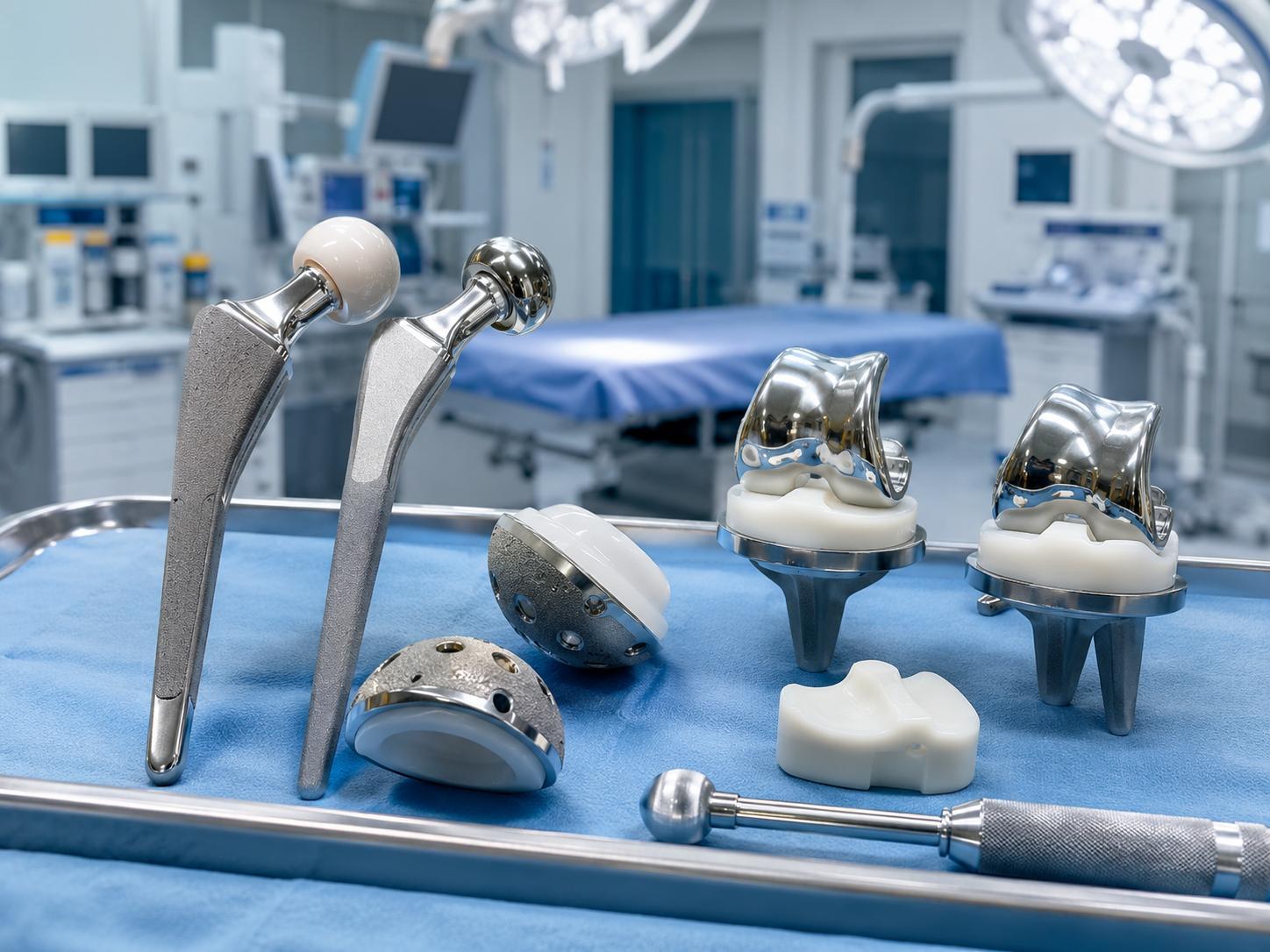
African hospitals value clarity because procurement errors can create operational problems. When a manufacturer clearly states its product scope, hospitals can evaluate whether the offering matches their clinical program. Ortonom Medical’s scope is focused, which supports stronger communication with orthopedic departments and procurement committees.
Why hospitals need focused orthopedic implant suppliers
Hospitals do not buy hip and knee implant systems only to place them in stock. They buy them to support surgical continuity. Every system must fit into a wider hospital workflow that includes preoperative planning, operating theatre preparation, sterile services routines, implant availability, and post-use documentation.
A focused orthopedic implant supplier can help hospitals reduce complexity. Instead of evaluating unrelated product categories, the hospital can concentrate on arthroplasty pathways. This makes training, stock planning, instrument preparation, and reporting easier to manage.
For African hospitals expanding orthopedic services, focus is commercially and clinically valuable. It allows leadership to build structured agreements around defined products, expected case volume, replenishment rhythm, and support expectations. That is how a product inquiry becomes a long term hospital cooperation model.
Ortonom Medical hip systems for hospital programs
Ortonom Medical’s hip portfolio supports hospitals that want reliable pathways for bipolar hip, total hip, and revision hip procedures. These systems help hospitals build organized arthroplasty programs instead of managing separate products without a clear structure.
OrtoHip Bipolar Hip System can support hospitals that need a defined bipolar hip pathway. It allows the hospital to discuss implant availability, instrument readiness, and surgical workflow within a focused product structure.
OrtoHip Total Hip System is relevant for hospitals developing or expanding total hip arthroplasty services. In this pathway, acetabular and femoral components, compatible instruments, trialing routines, and size availability must be coordinated carefully.
OrtoHip K2 Revision Hip System supports hospitals that need revision readiness. Revision procedures require more detailed planning, predictable product access, and strong coordination between surgeons, procurement, and operating theatre teams.
Ortonom Medical hip portfolio
Ortonom Medical knee systems for primary and revision pathways
Knee arthroplasty programs require the same level of structure. Hospitals need clear pathways for fixed, mobile, and revision knee procedures, supported by complete instrumentation, accurate documentation, and predictable implant availability.
OrtoKnee Fixed Knee System can support hospitals building structured primary knee replacement services. It gives the orthopedic department a defined platform for routine knee arthroplasty planning.
OrtoKnee Mobile Knee System provides another knee pathway for hospitals evaluating mobile bearing solutions within their arthroplasty program. The value is not only in the product itself, but in the ability to integrate the system into a controlled hospital workflow.
OrtoKnee Revision Knee System is important for hospitals preparing for more complex knee cases. Revision readiness helps hospital groups develop stronger long term orthopedic capability and reduces the need to search for separate solutions when complexity increases.
Ortonom Medical knee portfolio
- OrtoKnee Fixed Knee System
- OrtoKnee Revision Knee System
- OrtoKnee Mobile Knee System
What hospitals should ask before purchasing orthopedic medical equipment
A hospital should not evaluate hip and knee systems only by price or product names. The purchasing process must clarify how the system will be implemented, how inventory will be maintained, and how operating room readiness will be protected.
Procurement teams should ask how core sizes will be defined, how replenishment will work, and which instruments are required for each procedure pathway. Surgeons should review workflow, system familiarity, and product suitability. Sterile services should understand tray organization, inspection routines, and preparation requirements.
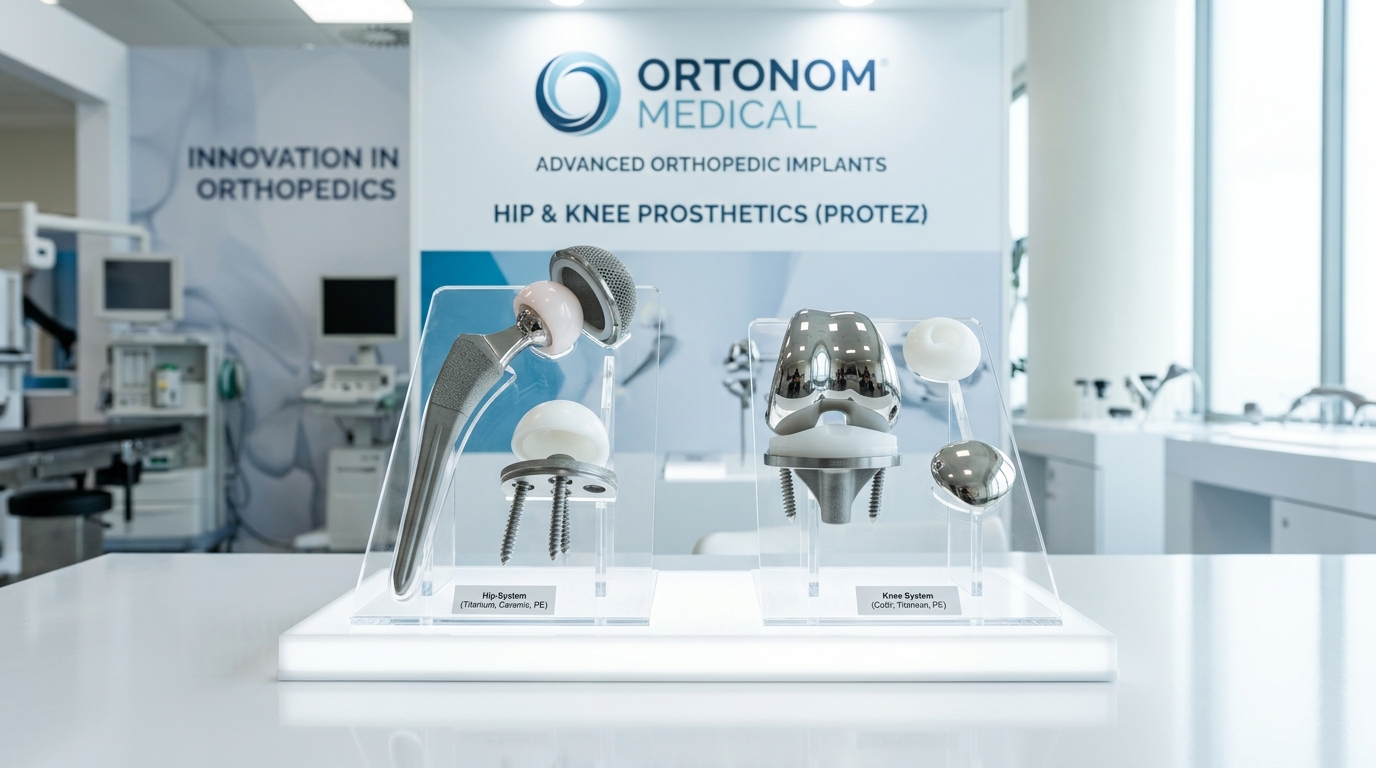
A strong manufacturer response should combine product information with an operational plan. Hospitals need to know what they are buying and how the program will remain stable after the first delivery.
| Hospital question | Why it matters | Expected manufacturer response |
|---|---|---|
| Which implant systems are included | Prevents product scope confusion | Clear OrtoHip and OrtoKnee pathway |
| Which sizes must be available | Protects planned surgical lists | Core size and stock planning |
| Which instruments are required | Prevents theatre delays | Tray list and readiness routine |
| How is traceability managed | Supports audits and patient records | Lot and usage documentation |
| How will supply continue | Reduces stockout risk | Replenishment and escalation model |
African target markets for hospital agreements
Medical equipment for sale must be adapted to the realities of each target market. African hospitals are not identical. Procurement processes, logistics, private hospital growth, and orthopedic capacity vary across regions. A serious manufacturer must show that it understands these differences.
Ortonom Medical’s target African markets include South Africa Gauteng, Morocco, Algeria, Egypt, Nigeria, Ghana, Kenya, Tanzania, Libya, Gabon, Senegal, Namibia, Cameroon, Guinea, DRC, and Côte d’Ivoire. These countries represent key opportunities for structured hip and knee arthroplasty cooperation.
In South Africa Gauteng and Namibia, hospitals may prioritize operating schedule protection and fast response. In Morocco, Algeria, Egypt, and Libya, documentation, governance, and traceability may strongly influence procurement approval. In Nigeria, Ghana, Senegal, Côte d’Ivoire, and Guinea, hospital growth creates demand for scalable implant availability. In Kenya and Tanzania, readiness and implementation discipline are important for expanding orthopedic services. In Cameroon, DRC, and Gabon, realistic logistics planning and consistent communication can build trust.
| Region | Target markets | Hospital agreement priority |
| Southern Africa | South Africa Gauteng and Namibia | Schedule protection and rapid response |
| North Africa | Morocco Algeria Egypt and Libya | Documentation governance and traceability |
| West Africa | Nigeria Ghana Senegal Côte d’Ivoire and Guinea | Scalable supply and program growth |
| East Africa | Kenya and Tanzania | Implementation readiness and continuity |
| Central Africa | Cameroon DRC and Gabon | Logistics planning and dependable communication |
Building hospital agreements around product availability
Availability is one of the strongest reasons hospitals choose one orthopedic implant partner over another. A hip or knee procedure can be delayed if the right implant size, trial component, or instrument set is not ready on time. That risk makes supply planning central to any hospital agreement.
The agreement should define the expected case volume, core implant sizes, minimum stock levels, and replenishment frequency. It should also include urgent request procedures for unexpected needs. Hospitals cannot rely on vague promises when surgical schedules are fixed.
For Ortonom Medical, availability planning should be connected directly to the OrtoHip and OrtoKnee product families. Each hospital should understand how the selected systems will be supplied, how stock will be reviewed, and how product continuity will be protected.
Essential availability planning elements include:
- Expected hip and knee procedure volume
- Core implant size definitions
- Minimum stock levels
- Usage based reorder points
- Scheduled replenishment reviews
- Urgent request and escalation procedures
- Packaging and expiry control
Documentation and traceability for hospital procurement
Documentation is not an administrative extra in hospital medical equipment purchasing. For hip and knee implants, documentation supports patient records, internal audits, inventory control, and procurement accountability.
Hospitals need clear product references, lot information, usage records, and traceability routines. These details must be available in a practical format that hospital teams can use consistently. If documentation is too complex or incomplete, internal confidence decreases.
For multi site hospital groups in African markets, standardized documentation becomes even more important. A group operating several facilities needs consistent reporting so management can compare usage, monitor stock, and evaluate program performance across locations.
Instrument readiness in orthopedic implant programs
Orthopedic medical equipment includes more than the implant. In hip and knee arthroplasty, instruments are part of the complete surgical pathway. Even if the implant is available, a case can be delayed when instruments are incomplete, damaged, or not prepared correctly.
Sterile services teams need tray maps, instrument lists, inspection routines, and escalation rules. Operating theatre teams need to know which instruments are required for each pathway. Surgeons need confidence that the system will be ready when the case begins.
A manufacturer that supports instrument readiness helps hospitals reduce avoidable delays. This is especially important in high value surgical programs where operating room time is limited and rescheduling creates cost and patient dissatisfaction.
Training and implementation support for hospital teams
Training should stay focused on the selected hip and knee systems. Hospitals do not need broad medical equipment training when the agreement concerns orthopedic implants. They need product orientation, instrument preparation guidance, workflow explanation, and continuity refresh sessions.
Initial training can support surgeons, operating theatre teams, sterile services, and procurement. Each team must understand its role in the program. This shared understanding helps reduce confusion during early use.
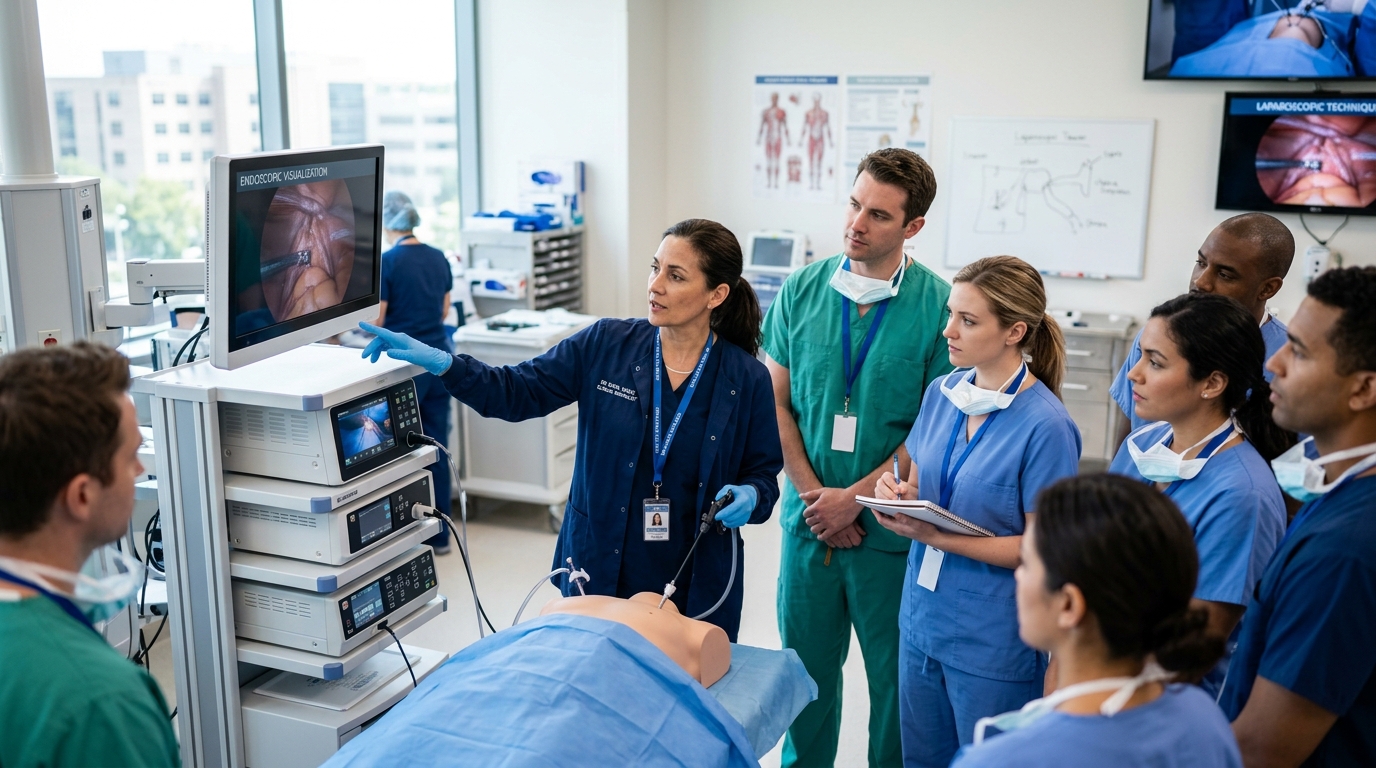
Follow up support is also important when procedure volume increases or new staff members join the workflow. Structured refresh sessions can help protect standardization and maintain program quality over time.
| Support stage | Participants | Main objective |
| Product orientation | Surgeons and OR teams | Understand selected OrtoHip and OrtoKnee systems |
| Instrument readiness | Sterile services and theatre teams | Improve preparation and inspection routines |
| Procurement alignment | Purchasing and management | Clarify documentation and stock model |
| Continuity review | Existing and rotating teams | Maintain consistency as volume grows |
From product inquiry to long term hospital cooperation
A hospital may begin by searching for medical equipment for sale, but a stable agreement requires a deeper conversation. The manufacturer must understand the hospital’s orthopedic program, expected volume, preferred systems, supply expectations, and implementation timeline.
The strongest proposals are not simple price lists. They show how the implant systems will support the hospital’s workflow. They define availability, documentation, instrument readiness, training, and replenishment. This helps decision makers move from inquiry to formal agreement.
Ortonom Medical can position its product portfolio as a focused solution for hospitals that want reliable hip and knee arthroplasty cooperation. This approach is especially relevant for African hospitals building or expanding orthopedic capacity.
Why hospitals can consider Ortonom Medical
Hospitals evaluating medical equipment for sale need to avoid unclear suppliers that offer broad categories without orthopedic depth. Ortonom Medical offers a focused hip and knee arthroplasty portfolio designed for structured hospital discussions.
The OrtoHip portfolio supports bipolar, total hip, and revision hip pathways. The OrtoKnee portfolio supports fixed, mobile, and revision knee pathways. Together, these products allow hospitals to evaluate a complete arthroplasty cooperation model.
For African target markets, Ortonom Medical’s value is not only in implant availability. Its value is in helping hospitals build dependable programs through product clarity, stock planning, documentation, traceability, instrument readiness, and long term cooperation.
Medical equipment for sale is a broad keyword, but for Ortonom Medical the message must remain focused. The relevant medical equipment category is hip and knee arthroplasty implant systems for hospitals, orthopedic departments, healthcare organizations, and distribution partners.
Ortonom Medical supports this need through OrtoHip Bipolar Hip System, OrtoHip K2 Revision Hip System, OrtoHip Total Hip System, OrtoKnee Fixed Knee System, OrtoKnee Revision Knee System, and OrtoKnee Mobile Knee System.
For hospitals in South Africa Gauteng, Morocco, Algeria, Egypt, Nigeria, Ghana, Kenya, Tanzania, Libya, Gabon, Senegal, Namibia, Cameroon, Guinea, DRC, and Côte d’Ivoire, Ortonom Medical offers a focused pathway for hip and knee arthroplasty cooperation. The goal is to convert product interest into long term hospital agreements that protect surgical continuity and support orthopedic program growth.