



Medical Implants Suppliers in Africa
Across the continent, hospitals are standardizing orthopedic pathways while maintaining the classic, relationship-driven way of doing business. That mix creates a clear opening for Medical Implants Suppliers in Africa who can pair dependable products with steady service. Ortonom Medical focuses on orthopedic prostheses and instrument sets, so our message to committees is simple and practical—one system, taught well, supported well. When you bring local trust and we bring manufacturing discipline, buyers get confidence from day one.
Demand is being reshaped by trauma survivorship, aging curves, and a push for predictable surgical outcomes. Procurement leaders are asking for fewer brands, tighter inventories, and providers who keep promises. That is exactly where Medical Implants Suppliers in Africa can stand out: by aligning stock to real case cadence, keeping documents audit-ready, and showing up in the OR when teams need help. Reliability is the most traditional promise in healthcare—and still the most valued.
Consistency matters as much as innovation. Many hospitals rotate staff and depend on visiting surgeons; they need systems that are teachable, instruments that are intuitive, and catalogs that are easy to read. Ortonom’s component architecture—femoral component, tibial baseplate, polyethylene insert, and patella—was designed to be learned quickly and remembered easily. For Medical Implants Suppliers in Africa, that means faster onboarding, less time troubleshooting, and more time building surgeon loyalty.
The commercial story is not just price and delivery; it is also dignity and pride in workmanship. When you help a theater run smoothly, people remember. When your dossiers pass on the first try, committees remember. When the tenth case looks as calm as the first, surgeons remember. That is how strong Medical Implants Suppliers in Africa build durable franchises—quietly, consistently, with forward-looking enablement and old-school reliability.
Ortonom Medical’s Value Proposition for Distributors
Ortonom Medical keeps a tight clinical focus on orthopedics, with complete instrument sets that make each step repeatable. That focus is your advantage. Instead of selling a sprawl of devices, you present a clear surgical pathway. Distributors who represent us carry a story that resonates in committee rooms: teachable technique, predictable logistics, and documentation that fits national norms. For Medical Implants Suppliers in Africa, clarity is not a slogan—it is a competitive weapon.
Manufacturing discipline underpins everything. We work with proven biomaterials and maintain traceability, labeling, and IFUs that are formatted for hospital review. Because the files are clean, your regulatory manager spends less time re-formatting and more time advancing approvals. That reduces customs friction and accelerates tenders. In the day-to-day reality of Medical Implants Suppliers in Africa, fewer document surprises means faster revenue recognition and fewer stalled deals.
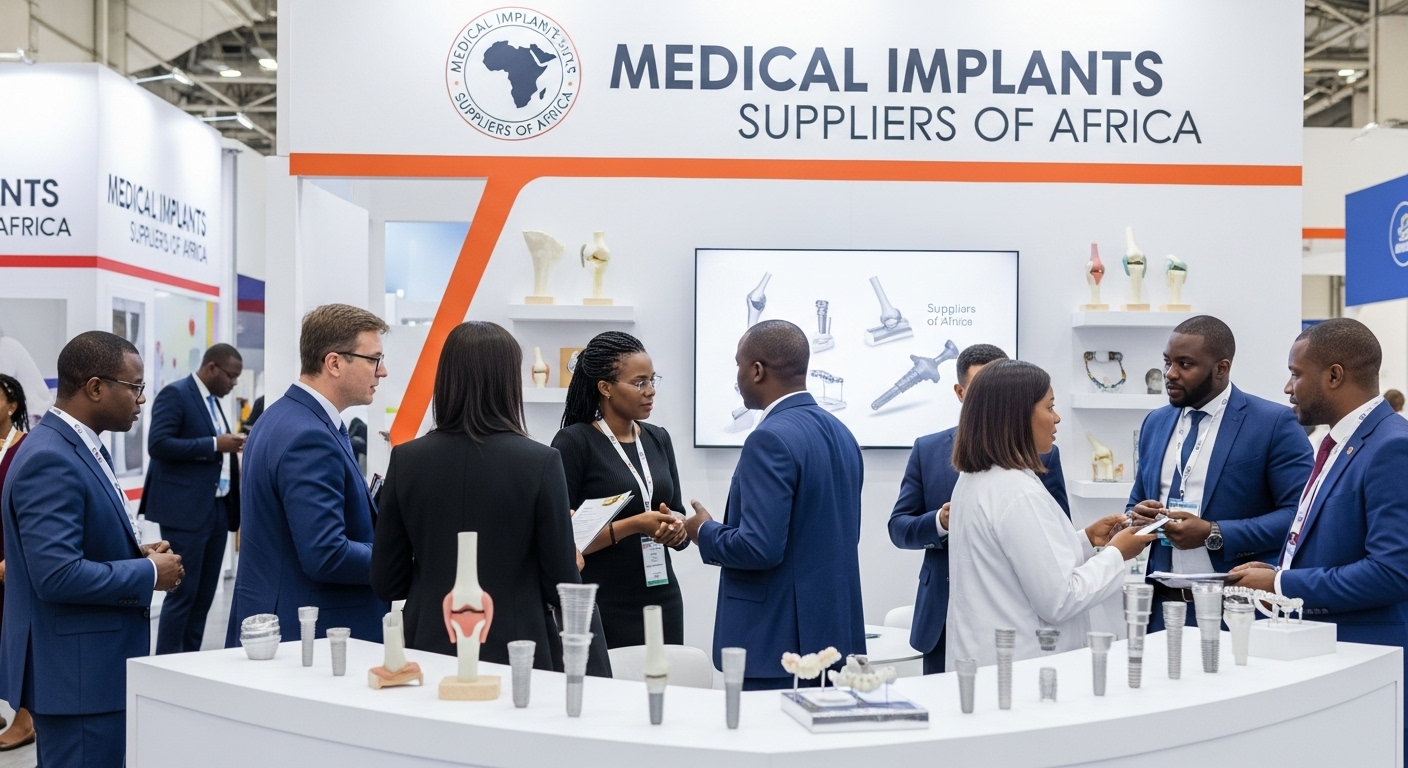
Enablement is not an afterthought. We deliver bilingual training decks (EN/FR), concise technique videos, and checklists that scrub teams can use between cases. Launch workshops cover resection flow, insert selection logic, and instrument maintenance, then we shadow early cases to make sure the pathway holds under pressure. This is how Medical Implants Suppliers in Africa blend tradition and foresight: face-to-face mentoring supported by modern micro-learning.
After-sales support protects reputation and margin. We help you set reorder points tied to real case cadence, plan safety stock for mid sizes and common insert thicknesses, and schedule quarterly tray reviews with CSSD. Over time, those routines become your calling card. When administrators realize your stock actually moves and your instruments come back on time, they stop shopping for alternatives. That is the quiet power behind successful Medical Implants Suppliers in Africa.
How to Win Hospital Committees and Tenders
Winning starts with a hospital-ready narrative. Lead with the clinical pathway, show the component logic at a glance, and make it effortless for a chief surgeon to share your materials with procurement, finance, and sterilization. Committees appreciate vendors who respect their time. Medical Implants Suppliers in Africa who bring concise, bilingual documents and realistic lead times are the ones who get called back for second meetings.
Next, turn training into a habit. Hospitals do not just buy implants; they buy confidence in outcomes. Schedule workshops for surgeons and scrub nurses, then supervise first cases so teams feel supported. Document results and capture preferences—insert thickness clusters, patella resurfacing patterns, alignment choices. Those insights should feed your reorder logic and your talking points. This is where Medical Implants Suppliers in Africa shift from “vendor” to “partner.”
Logistics discipline is your third pillar. Publish conservative lead times, pre-position fast movers in country, and rotate long-tail sizes from regional hubs. Use simple dashboards: open cases, instrument turnaround, safety stock status, and replenishment due dates. When delays happen, inform committees early with a remedy plan. In competitive reviews, the most credible Medical Implants Suppliers in Africa are the ones who under-promise and over-deliver.
Finally, respect tradition. Relationships, presence, and steady follow-through still win the day. Pair that classic approach with forward-looking tools—QR-coded IFUs, digital checklists, and quick video refreshers for rotating staff. The blend of “trusted presence” and “transparent process” is what committees reward. That is how Medical Implants Suppliers in Africa turn first wins into multi-year frameworks.
Country Opportunity Snapshot (Your Priority Markets)
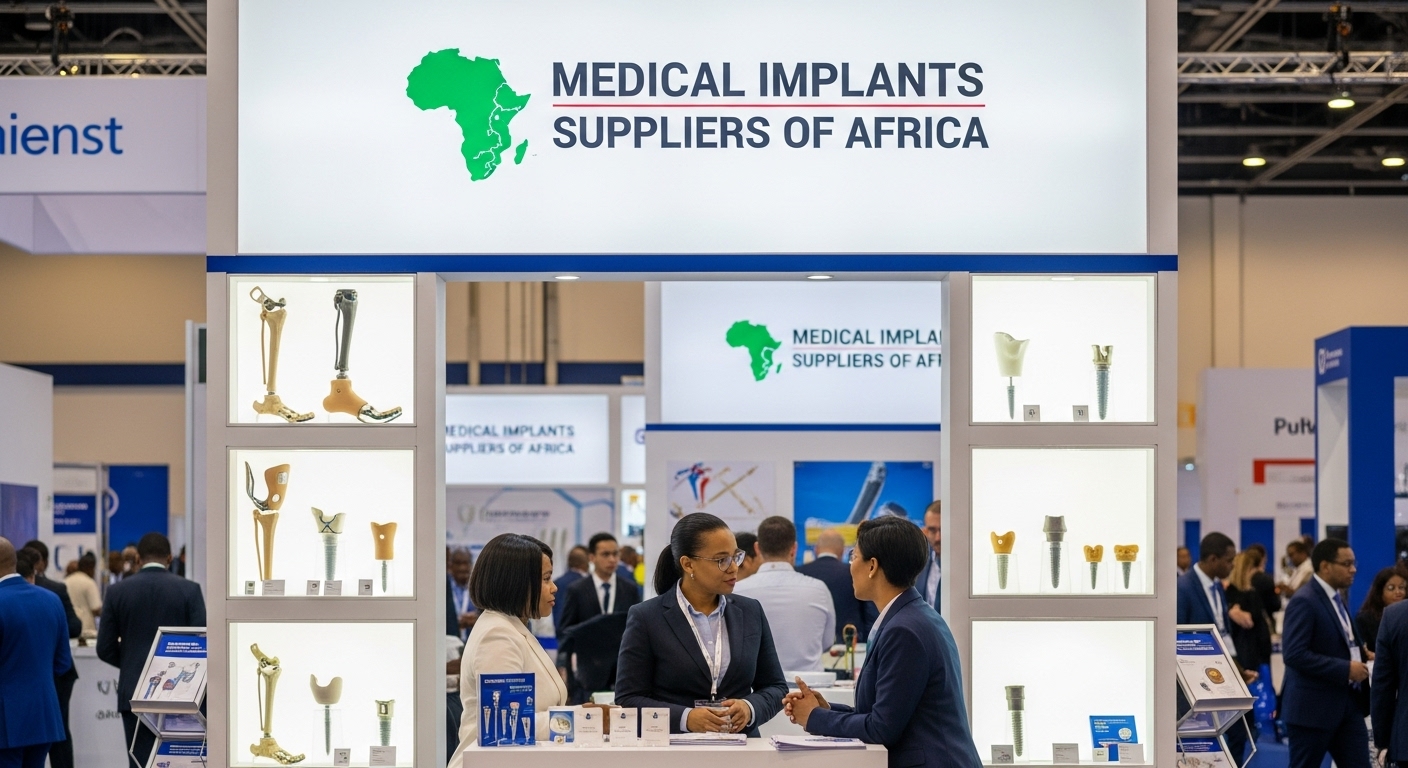
Below is a practical snapshot aligned to the countries you shared—Democratic Republic of the Congo, Ethiopia, Somalia, Sudan, Algeria, Libya, Gabon, Senegal, Namibia, Cameroon, and Guinea. Use it to plan sequencing, tailor messaging, and shape a starter stock matrix. Keep your core story consistent, then localize language, tender norms, and logistics corridors.
| Country | Business Languages | First Target Cities | Dominant Channels | Distributor Profile Fit |
|---|---|---|---|---|
| D.R. Congo | French | Kinshasa Lubumbashi | Public tenders plus private | Tender literacy hospital ties bilingual field team |
| Ethiopia | Amharic English | Addis Ababa | Private hospitals plus NGO projects | Clinical education capability strong OR training culture |
| Somalia | Somali Arabic | Mogadishu Hargeisa | Private hospitals and clinics | Agile import fast field support |
| Sudan | Arabic | Khartoum | Public tenders | Documentation rigor committee relationships |
| Algeria | Arabic French | Algiers Oran | Public plus private | Arabic FR materials capital equipment experience |
| Libya | Arabic | Tripoli Benghazi | Private sector | Quick OR technical access |
| Gabon | French | Libreville Port Gentil | Public tenders | Francophone dossiers steady after sales |
| Senegal | French | Dakar | Private plus tenders | In theater training strength references focus |
| Namibia | English | Windhoek | Private hospitals | Inventory discipline service SLAs |
| Cameroon | French English | Douala Yaoundé | Mixed channels | Bilingual sales engineering KOL access |
| Guinea | French | Conakry | Public tenders | Documentation plus after sales footprint |
Open with two lighthouse sites—one francophone and one anglophone—to build bilingual references. Ten to twelve clean cases per hospital, documented outcomes, and a stable replenishment rhythm create the credibility committees seek. As momentum grows, expand to adjacent countries that share language or logistics lanes so your training assets and documents can be reused. This is how Medical Implants Suppliers in Africa scale without diluting focus.
Map stakeholders in every hospital: chief surgeon, nursing lead, procurement, CSSD manager, and finance. Record their constraints and priorities, then translate those notes into local copies of your brochures and stock lists. Bilingual pairs are powerful—EN FR materials for West and Central Africa, and EN with Arabic summaries for North Africa. Consistency across languages tells committees you are serious, structured, and ready.
Keep data honest. Track insert thickness distribution, instrument turnaround times, and shelf age of slow movers. Use the findings to refine your starter matrix and your tender responses. Over a few quarters, the pattern becomes your pitch: “We match stock to cases and we prove it.” That is the language administrators trust—and it separates disciplined Medical Implants Suppliers in Africa from catalog sellers.
Celebrate surgeon champions. Invite them to co-host workshops and to give short talks during committee briefings. Their voice carries weight, especially in systems where peer reference is the gold standard. This is the most traditional tactic of all—and still the most effective—when your product is credible and your service is steady.
Compliance Logistics and After-Sales SLAs
Procurement leaders want two outcomes above all: documents that pass on the first try and stock that arrives when promised. We structure your offer so public claims match day-to-day reality. The table below clarifies who does what, and by when, so your team can publish realistic commitments that win trust over time.
| Item | Ortonom Medical Provides | Partner Commits | Typical Timeline |
|---|---|---|---|
| Regulatory dossier | Technical files labels IFUs committee ready | Local submission tracking meeting attendance | 5 to 15 business days per package |
| Launch training | Surgeon and nurse workshops EN FR decks videos | Venue attendee organization refresher sessions | Within 30 days of appointment |
| Instrument readiness | Tray checklists sterilization guidance maintenance | CSSD capacity maintenance plan | Pre launch plus quarterly |
| Inventory policy | Stock matrix reorder points consignment options | Safety stock monthly reporting | Agreed at contract monthly review |
| Field support | Case shadowing remote or in person troubleshooting | Case scheduling structured feedback | First 3 to 6 months |
| Country copy | Bilingual brochures listing text FAQs | Localization response SLAs | Live at launch quarterly updates |
Logistics should be boring in the best way. Stage fast movers in country—mid sizes and common insert thicknesses—while rotating long-tail sizes from regional hubs. Tie reorder points to real case cadence, not guesswork. Publish those truths in your proposals and committee briefs. Over time, predictable performance becomes your brand, and that is how Medical Implants Suppliers in Africa keep competitors at bay.
Documentation is a living asset. Expect audits and label tweaks by market. We maintain version-controlled masters so updates flow from factory to distributor to hospital seamlessly. Your regulatory manager will have a named counterpart at Ortonom Medical. That old-fashioned accountability saves modern time and keeps your tender files consistent.

After-sales service closes the loop. Offer fast instrument turnaround, clear incident pathways, and scheduled check-ins after early cases. Administrators remember who solved problems quickly. Surgeons remember who stood next to them in the theater when it mattered. In the long run, those memories decide renewals. That is why the best Medical Implants Suppliers in Africa treat service as strategy, not cost.
Ninety-Day Launch Plan and Call to Action
Prepare in weeks one to three. Finalize bilingual materials, the specification snapshot table, and your hospital brief. Confirm regulatory bundles per country and pre-clear customs documents where possible. Build a starter stock matrix tuned to your first sites. Identify two lighthouse hospitals—one francophone one anglophone—so your early references speak to multiple committees. This is the most efficient way for Medical Implants Suppliers in Africa to earn trust fast.
Train in weeks four to six. Run workshops for surgeons and scrub teams, then supervise the first cases. Capture preferences for insert thickness, patella resurfacing, and alignment choices. Update your FAQ and reorder plan based on those signals. Keep the rhythm steady and old-school: show up, teach well, follow up quickly.
Execute in weeks seven to ten. Complete ten to twelve cases per site, debrief with teams, and tune stock accordingly. Publish honest lead times and stick to them. If a logistics lane slows, say so and propose a workaround. Reliability beats bravado every time, especially for hospitals carrying tight schedules.
Scale in weeks eleven to thirteen. Add a second country in the same language corridor to reuse training and documents. Approach public tenders once private references are in hand. Provide committees with outcomes summaries, stable SLAs, and a clear after-sales plan. That blend of tradition and transparency is what wins—and what sustains—Medical Implants Suppliers in Africa.
Ortonom Medical stands ready to match your local relationships with orthopedic depth, manufacturing discipline, and enablement that respects how work has always been done. If you bring hospital access and a service-first culture, we will bring the dossiers, the training power, and the steady supply. Let’s start your first cases, build references that matter, and grow from there—one successful procedure at a time.