



Orthopedic Prostheses For Hospitals
Across Africa, surgical leaders are standardizing pathways for joint reconstruction while still relying on the traditional, relationship-driven way of doing business. That blend creates a clear opening for partners who can deliver Orthopedic Prostheses For Hospitals with repeatable technique, dependable logistics, and a respectful presence in the operating room. Ortonom Medical focuses its portfolio and training on what hospitals need most: predictable systems, coherent documentation, and steady after-sales. When your local access meets our manufacturing discipline, committees gain confidence fast.
Demand drivers are shifting the case mix everywhere—better trauma survivorship, aging populations, and administrators who are measured on reliability. Hospitals don’t want catalogs that sprawl; they want clear choices and instruments that staff can learn quickly, then teach to rotating colleagues. That’s where Orthopedic Prostheses For Hospitals become more than SKUs: they become pathways backed by checklists, videos, and trays that make sense. When every step is teachable, outcomes stabilize, and stakeholders relax.
Clinicians also want to avoid unnecessary constraint and unnecessary complexity. In primary knee arthroplasty, for example, preserving what’s healthy and standardizing what’s variable is a classic surgical ethic. Ortonom respects that tradition by pairing focused implant families with intuitive instrument sets. Our goal is straightforward: when teams choose Orthopedic Prostheses For Hospitals from Ortonom, they get components that cooperate, not compete, in the theater.
Finally, committees reward honesty. Publishing conservative lead times, stating what you can consign locally, and answering questions with evidence rather than slogans—these timeless behaviors still win tenders and private deals. The difference now is that you can amplify them with modern enablement: bilingual decks, micro-videos, QR-coded IFUs, and stock dashboards. That is how Orthopedic Prostheses For Hospitals move from proposal to predictable reorders.
What Ortonom Medical Brings to Hospital Buyers
Ortonom Medical is deliberately focused: orthopedic implant systems with complete instrument sets and a training model that respects the craft of surgery. This focus makes your proposal easy to understand. Surgeons see the clinical pathway; procurement sees the documentation trail; sterilization sees the tray logic. When all three align, Orthopedic Prostheses For Hospitals stop being a risk and start being a routine.
Product architecture is built as a family, not a parts bin. In knee arthroplasty, the femoral component, tibial baseplate, polyethylene insert, and patella are validated to work together across sizes, so teams can move up or down the ladder without guesswork. Trial components and locking interfaces are designed for secure, efficient exchanges. This coherence turns Orthopedic Prostheses For Hospitals into something clinicians can trust at 8 a.m. and at 8 p.m.—the same flow, the same checks.
Documentation is treated like a clinical tool. Technical files, labeling, and IFUs are formatted for committee review from day one. Your regulatory manager won’t have to rebuild the pack; they’ll submit it. That reduces avoidable delays at customs and accelerates first cases. For distributors, the math is simple: cleaner files equal faster revenue, fewer escalations, and better word of mouth about your Orthopedic Prostheses For Hospitals program.
Enablement is continuous. We bring bilingual (EN/FR) training decks, short technique videos, and checklist-driven workshops, then we shadow early cases alongside your team. Afterward, we convert feedback into stock signals—insert thickness clusters, patella choices, alignment preferences—so your matrix reflects reality. Over time, this loop becomes your signature: Orthopedic Prostheses For Hospitals delivered with calm, craftsmanlike consistency.
Surgical Enablement and Teachability in the OR
Hospitals buy confidence as much as components. That’s why we start by making the technique visible: sequencing of cuts, gap assessment, alignment references, and verification steps that new staff can follow. When scrub teams open a tray and see labels, color cues, and a logical order, anxiety drops and outcomes improve. Teachable Orthopedic Prostheses For Hospitals turn turnover into an asset rather than a liability.
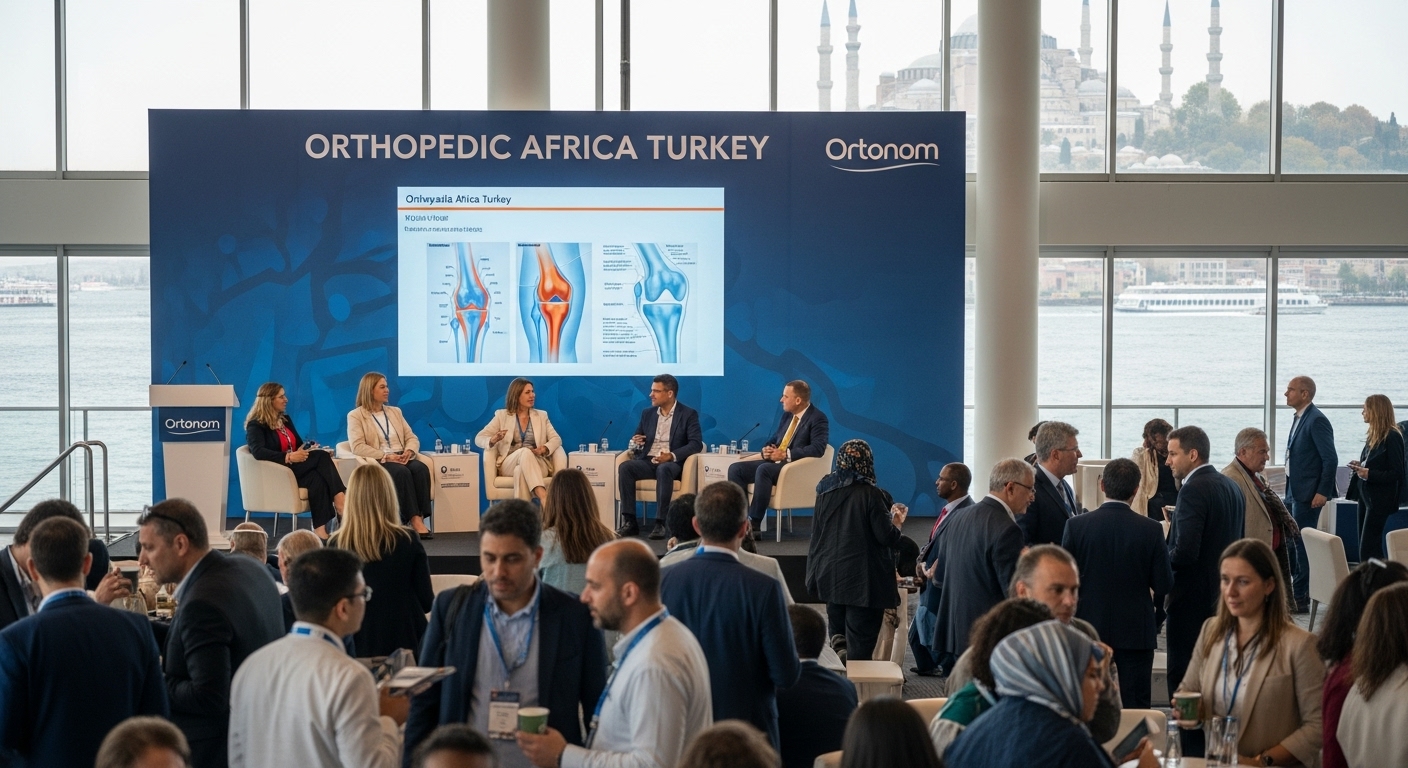
Workshops are practical, not theatrical. We focus on the moves that matter—distal femoral and proximal tibial resections, soft-tissue balance, insert selection—paired with common pitfalls and their fixes. Short video clips reinforce the same steps so rotating staff can refresh in minutes. This is the classic apprenticeship model, modernized for real-world staffing patterns. When instruments and instruction agree, Orthopedic Prostheses For Hospitals become an easy choice for committees.
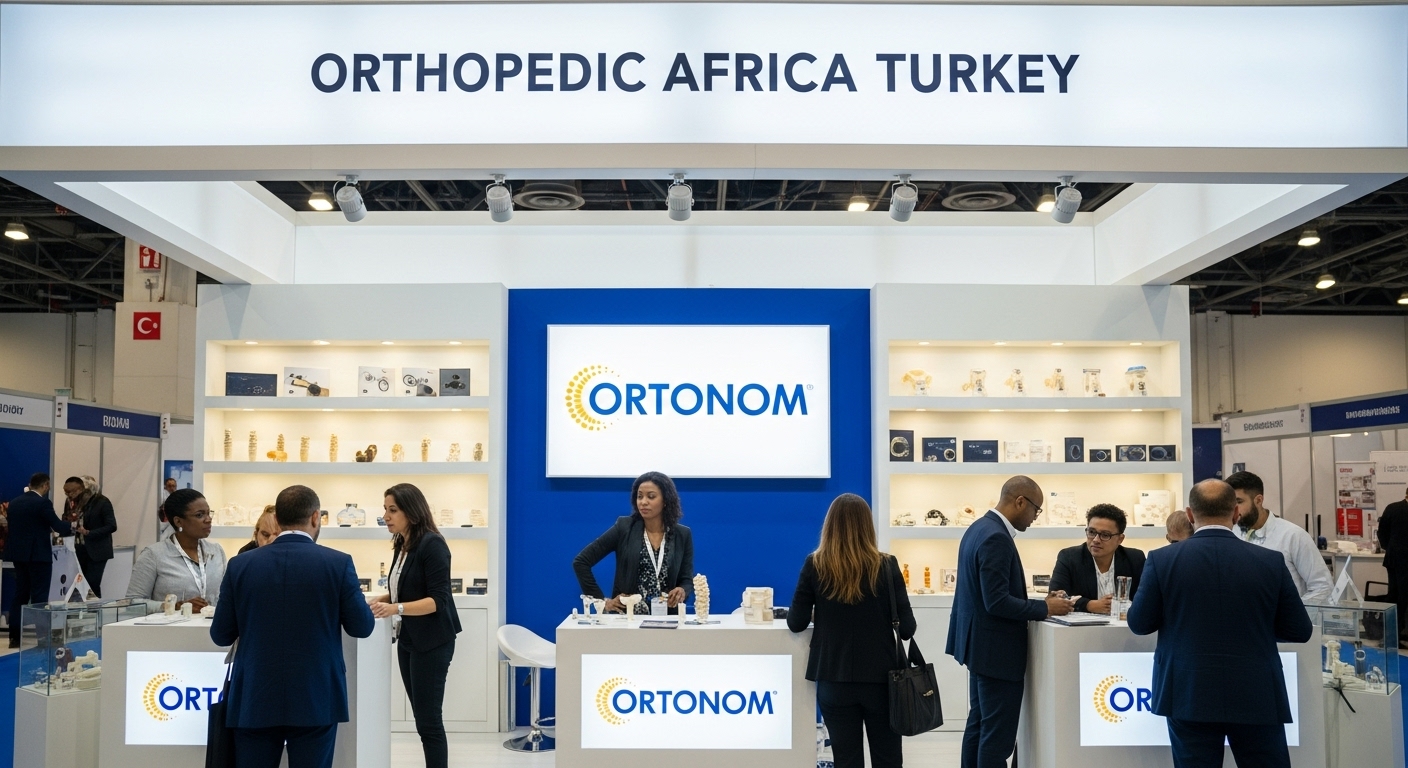
Post-launch, we supervise first cases and document lessons learned. If a site favors mid-thickness inserts or a particular patellar strategy, we adapt the starter matrix and the training emphasis. The aim is to keep the system familiar while keeping the stock honest. Over a few months, that honesty turns into a reputation, and reputation turns into reorders. That’s the long view that sustains Orthopedic Prostheses For Hospitals.
Teachability also protects your margin. Stable operative times, fewer tray rebuilds, and less emergency freight all compound quietly in your P&L. Administrators notice when the tenth case is as calm as the first and when instruments come back on time. In competitive reviews, the vendor who makes life easier usually wins. With disciplined enablement, Orthopedic Prostheses For Hospitals from Ortonom make everyone’s day simpler—surgeons, nurses, CSSD, and finance.
Country Opportunity Snapshot (Your Priority Markets)
Below is a practical snapshot aligned to your target countries—Democratic Republic of the Congo, Ethiopia, Somalia, Sudan, Algeria, Libya, Gabon, Senegal, Namibia, Cameroon, and Guinea. Use it to plan sequencing, tailor bilingual materials, and shape a starter stock matrix that matches early case cadence. Keep the core story consistent—Orthopedic Prostheses For Hospitals that are teachable, documented, and deliverable—then localize language and logistics.
| Country | Business Languages | First Target Cities | Dominant Channels | Distributor Profile Fit |
|---|---|---|---|---|
| D R Congo | French | Kinshasa Lubumbashi | Public tenders plus private | Tender literacy hospital ties bilingual field team |
| Ethiopia | Amharic English | Addis Ababa | Private hospitals plus NGO | Clinical education capability OR training culture |
| Somalia | Somali Arabic | Mogadishu Hargeisa | Private clinics and hospitals | Agile import fast service response |
| Sudan | Arabic | Khartoum | Public tenders | Documentation rigor committee relationships |
| Algeria | Arabic French | Algiers Oran | Public plus private | Arabic FR materials capital equipment experience |
| Libya | Arabic | Tripoli Benghazi | Private sector | Quick OR support surgeon access |
| Gabon | French | Libreville Port Gentil | Public tenders | Francophone dossiers steady after sales |
| Senegal | French | Dakar | Private plus tenders | In theater training strength references focus |
| Namibia | English | Windhoek | Private hospitals | Inventory discipline service SLAs |
| Cameroon | French English | Douala Yaoundé | Mixed channels | Bilingual sales engineering KOL access |
| Guinea | French | Conakry | Public tenders | Documentation plus after sales footprint |
Open with two lighthouse sites—one francophone and one anglophone—to generate bilingual references fast. Ten to twelve clean cases per hospital, captured in concise outcome notes, will anchor your credibility. Then expand to adjacent countries that share language or logistics lanes so you can reuse training, trays, and documents with minimal friction. This is the low-risk way to scale Orthopedic Prostheses For Hospitals.
Stakeholder mapping is non-negotiable. List the chief surgeon, nursing lead, procurement officer, CSSD manager, and finance contact for each target hospital. Track their constraints and what “good” looks like to them. Those notes become local copy for your brochures and your tender pages. In many rooms, bilingual pairs—EN FR, and Arabic summaries for North Africa—are what turn interest into action for Orthopedic Prostheses For Hospitals.
Keep the data honest and useful. Measure insert thickness distribution, instrument turnaround times, and shelf age of slow movers. Review the dashboard monthly and adjust the matrix before the numbers drift. When committees ask how you prevent stockouts and dead stock, show your method. The disciplined answer is the persuasive answer—and it’s how disciplined providers of Orthopedic Prostheses For Hospitals win renewals.
Finally, celebrate surgeon champions. Invite respected operators to co-host workshops and share case insights with peers and administrators. Peer reference still moves the room more than any brochure can. If the product is sound and the service is steady, champions will speak up. Their voice is the most traditional and the most effective proof that Orthopedic Prostheses For Hospitals from Ortonom belong on the schedule.
Compliance Logistics and After-Sales SLAs
Procurement leaders want two outcomes: files that pass on the first try and stock that arrives as promised. We structure your commitments so public claims match daily reality. The table clarifies who does what and when, so your team can publish realistic SLAs for Orthopedic Prostheses For Hospitals and keep them.
| Item | Ortonom Medical Provides | Partner Commits | Typical Timeline |
|---|---|---|---|
| Regulatory dossier | Technical files labels IFUs committee ready | Local submission tracking meeting attendance | 5 to 15 business days per pack |
| Launch training | Surgeon and nurse workshops EN FR decks videos | Venue attendees follow up sessions | Within 30 days of appointment |
| Instrument readiness | Tray checklists sterilization guidance maintenance | CSSD capacity maintenance plan | Pre launch plus quarterly |
| Inventory policy | Stock matrix reorder points consignment options | Safety stock monthly reporting | At contract monthly review |
| Field support | Case shadowing remote and in person troubleshooting | Case scheduling structured feedback | First 3 to 6 months |
| Country copy | Bilingual brochures listing text FAQs | Localization response SLAs | Live at launch quarterly updates |
Logistics should be predictable. Stage fast movers in country—mid sizes and common insert thicknesses—while rotating long-tail sizes from regional hubs. Tie reorder points to real case cadence instead of optimistic forecasts. Publish these truths in proposals and committee briefs. Over time, a reliable pipeline for Orthopedic Prostheses For Hospitals becomes your brand and your moat.
Documentation is a living asset. Expect audits and label adjustments by market. We maintain version-controlled masters so updates flow seamlessly from factory to distributor to hospital. Your regulatory manager will have a named counterpart at Ortonom—old-fashioned accountability that saves modern time. Consistency across submissions is one more reason committees favor your Orthopedic Prostheses For Hospitals.
Service closes the loop. Offer fast instrument turnaround, clear incident paths, and scheduled check-ins after the first ten cases. Administrators remember who solved problems quickly; surgeons remember who stood next to them when it mattered. In renewals, that memory often beats a small price edge. Treat service as strategy and your Orthopedic Prostheses For Hospitals program will compound quietly, quarter after quarter.
Ninety-Day Launch Plan and Partner Invitation
Prepare weeks 1–3. Finalize bilingual materials, the specification snapshot table, and your hospital brief. Confirm regulatory bundles per country and pre-clear customs documents where possible. Build a starter stock matrix aligned to your first sites. Identify two lighthouse hospitals—one francophone and one anglophone—so your early references speak to multiple committees. This is the fastest route to trust for Orthopedic Prostheses For Hospitals.
Train weeks 4–6. Run workshops for surgeons and scrub teams, then supervise first cases. Capture preferences for insert thickness, patella strategy, and alignment choices. Update the FAQ and the reorder plan with those signals. Keep the rhythm classic: show up, teach well, follow up quickly.
Execute weeks 7–10. Complete ten to twelve cases per site, debrief with teams, and tune stock accordingly. Publish honest lead times and stick to them. If a logistics lane slows, inform early and propose a workaround. Reliability beats bravado every time—especially for hospitals with tight schedules and full lists.
Scale weeks 11–13. Add a second country in the same language corridor to reuse training and documents. Approach public tenders once private references are documented. Provide committees with outcome summaries, stable SLAs, and a clear after-sales plan. That blend of tradition and transparency is what sustains Orthopedic Prostheses For Hospitals.
Ortonom Medical stands ready to match your local relationships with orthopedic depth, manufacturing rigor, and enablement that respects how work has always been done. If you bring hospital access and a service-first culture, we will bring the dossiers, the training power, and the steady supply. Let’s start the first cases, earn references that matter, and grow from there—one successful procedure at a time with Orthopedic Prostheses For Hospitals.